
What to Expect During an Asbestos Inspection: A Step-by-Step Guide
Understanding Asbestos and Its Risks
Asbestos is a naturally occurring mineral fiber that was once widely used in building materials due to its durability and resistance to heat. However, it is now known to pose serious health risks, including lung cancer and mesothelioma, when its fibers are inhaled. If you suspect the presence of asbestos in your home or commercial building, it's crucial to conduct a thorough inspection.
An asbestos inspection is a critical step towards ensuring the safety of your environment. It helps identify the presence of asbestos-containing materials (ACMs) and assesses their condition. Here's a step-by-step guide on what to expect during an asbestos inspection.
Initial Consultation and Planning
The asbestos inspection process typically begins with an initial consultation. During this phase, a licensed asbestos inspector will discuss your concerns and gather information about the property. This includes the building's age, renovation history, and any known asbestos presence.
Based on this information, the inspector will develop a tailored inspection plan. This plan outlines the areas to be inspected, the types of samples to be collected, and the overall scope of the inspection.
The On-Site Inspection
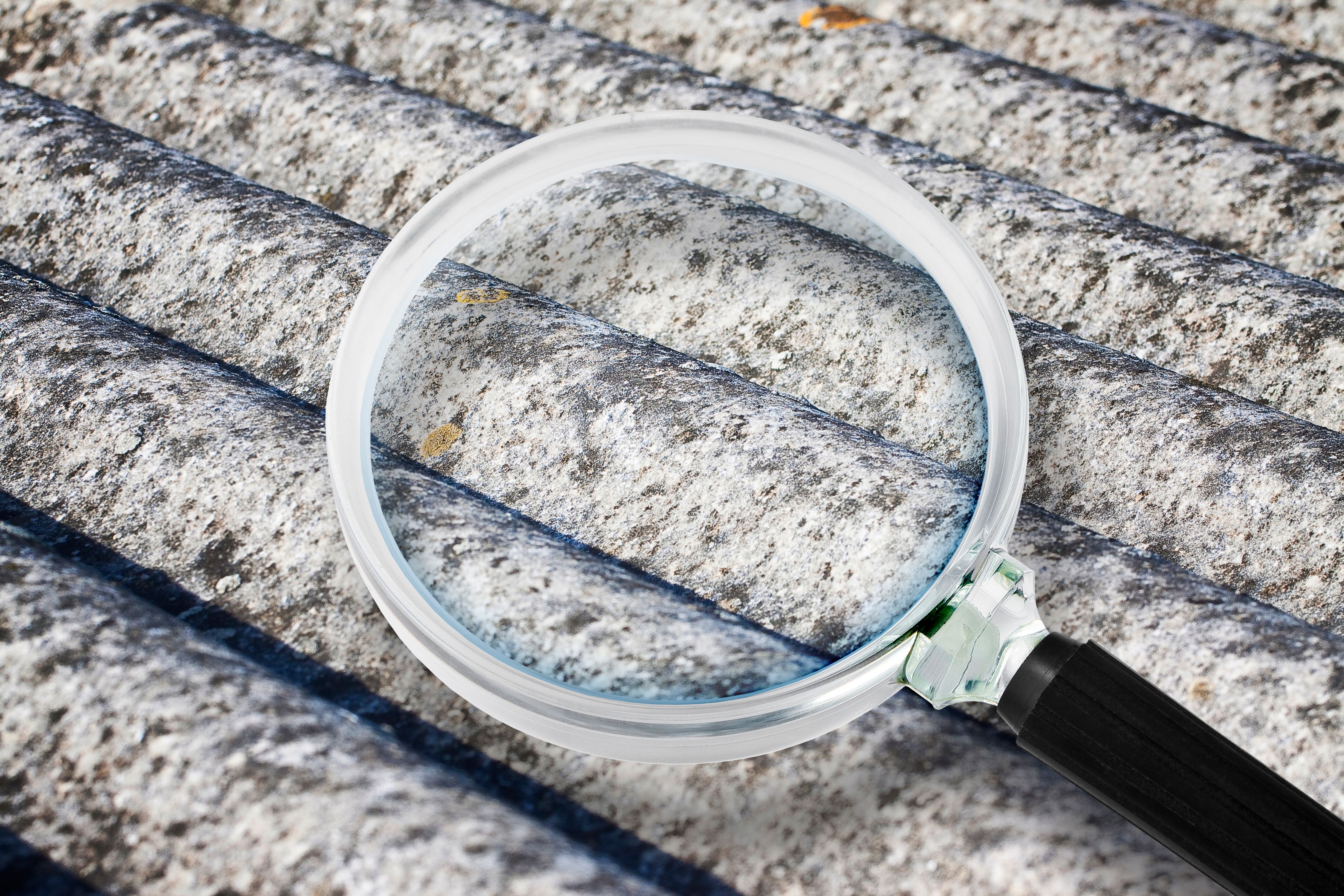
Once the plan is in place, the inspector will conduct an on-site visit. During this visit, the inspector will visually assess the property to identify potential ACMs. They will look for materials such as insulation, floor tiles, and roofing that may contain asbestos.
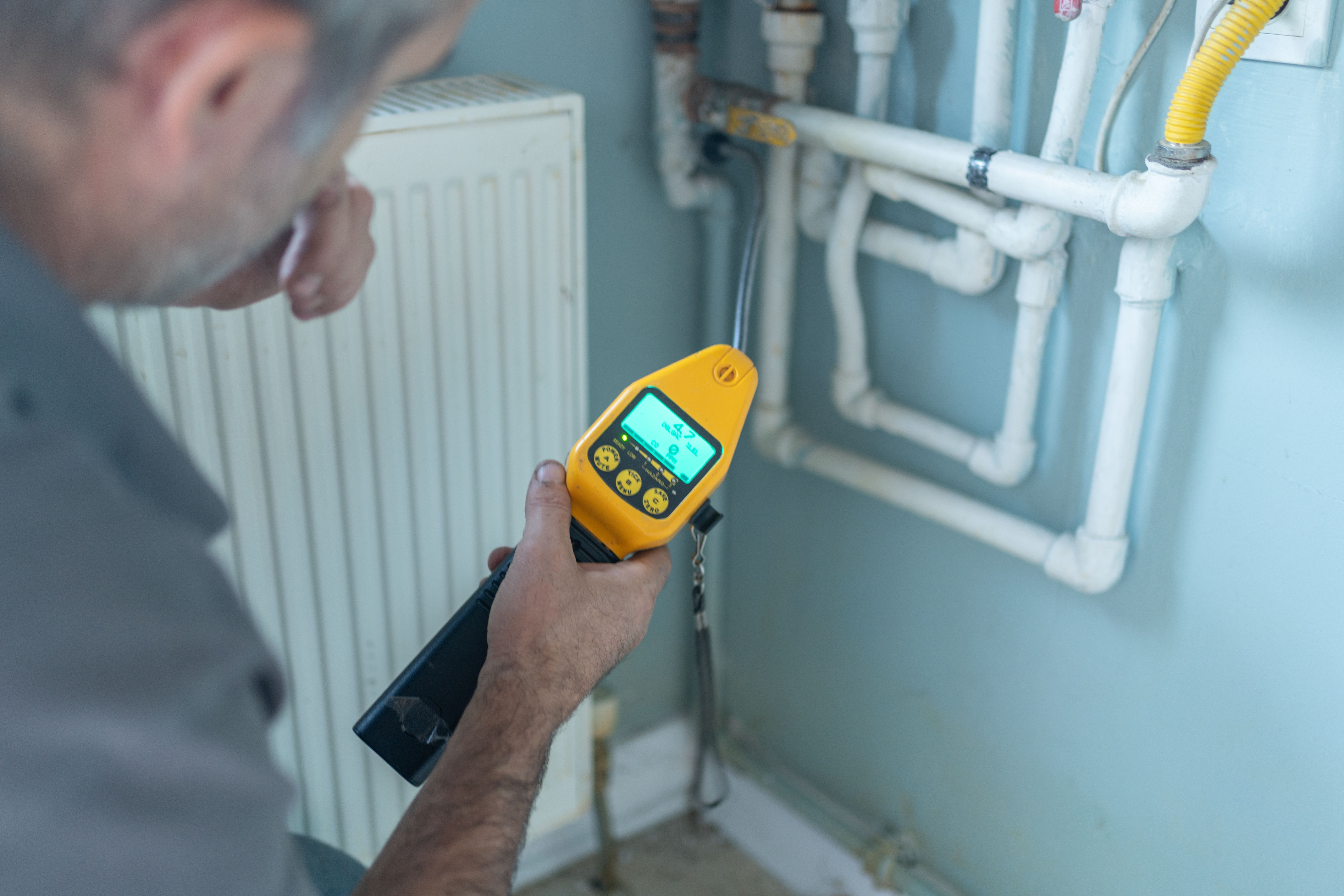
To confirm the presence of asbestos, the inspector will collect samples of suspected materials. These samples are carefully gathered using specialized tools and techniques to minimize the release of fibers. The number of samples collected depends on the size of the property and the extent of potential asbestos use.
Laboratory Analysis
After the on-site inspection, the collected samples are sent to a certified laboratory for analysis. The laboratory uses advanced techniques like polarized light microscopy (PLM) to determine if asbestos fibers are present.
This analysis typically takes a few days. Once complete, the laboratory provides a detailed report outlining the presence and concentration of asbestos in the samples.

Receiving the Inspection Report
The final step in the asbestos inspection process is receiving the inspection report. This comprehensive document includes the findings of the on-site inspection and laboratory analysis. It details the locations and types of ACMs found, along with their condition.
The report also provides recommendations for managing or removing asbestos, if necessary. This may include options for encapsulation, enclosure, or full removal by licensed professionals.
Next Steps and Safety Measures
After reviewing the inspection report, it's important to take appropriate action based on the findings. If asbestos removal is recommended, work with a qualified asbestos abatement contractor to ensure safe and compliant removal.
Remember, dealing with asbestos requires caution and expertise. Always prioritize safety and adhere to local regulations when managing asbestos-containing materials.

By understanding what to expect during an asbestos inspection, you can take proactive steps to protect yourself and others from the potential dangers of asbestos exposure. Regular inspections and timely action are key to maintaining a safe environment.