
What to Expect During a Demolition Project: A Step-by-Step Overview
When embarking on a demolition project, understanding the process can help ensure a smooth and efficient experience. Whether it's a small residential job or a large commercial teardown, being prepared can make a world of difference.

Initial Planning and Permits
The first step in any demolition project is thorough planning. This involves determining the scope of the project, whether it’s a partial or complete demolition, and assessing any potential challenges. Obtaining the necessary permits is crucial and often requires submitting detailed plans to local authorities.
During the planning stage, it’s important to consider environmental regulations and potential hazardous materials, such as asbestos, that may require special handling. Engaging with professionals who understand the legal requirements can help avoid costly delays.
Site Preparation
Once the permits are secured, the next phase is site preparation. This involves clearing the area of any obstructions and setting up safety barriers to protect surrounding structures and the general public. Utility services such as water, electricity, and gas must be disconnected to ensure safety during the demolition.
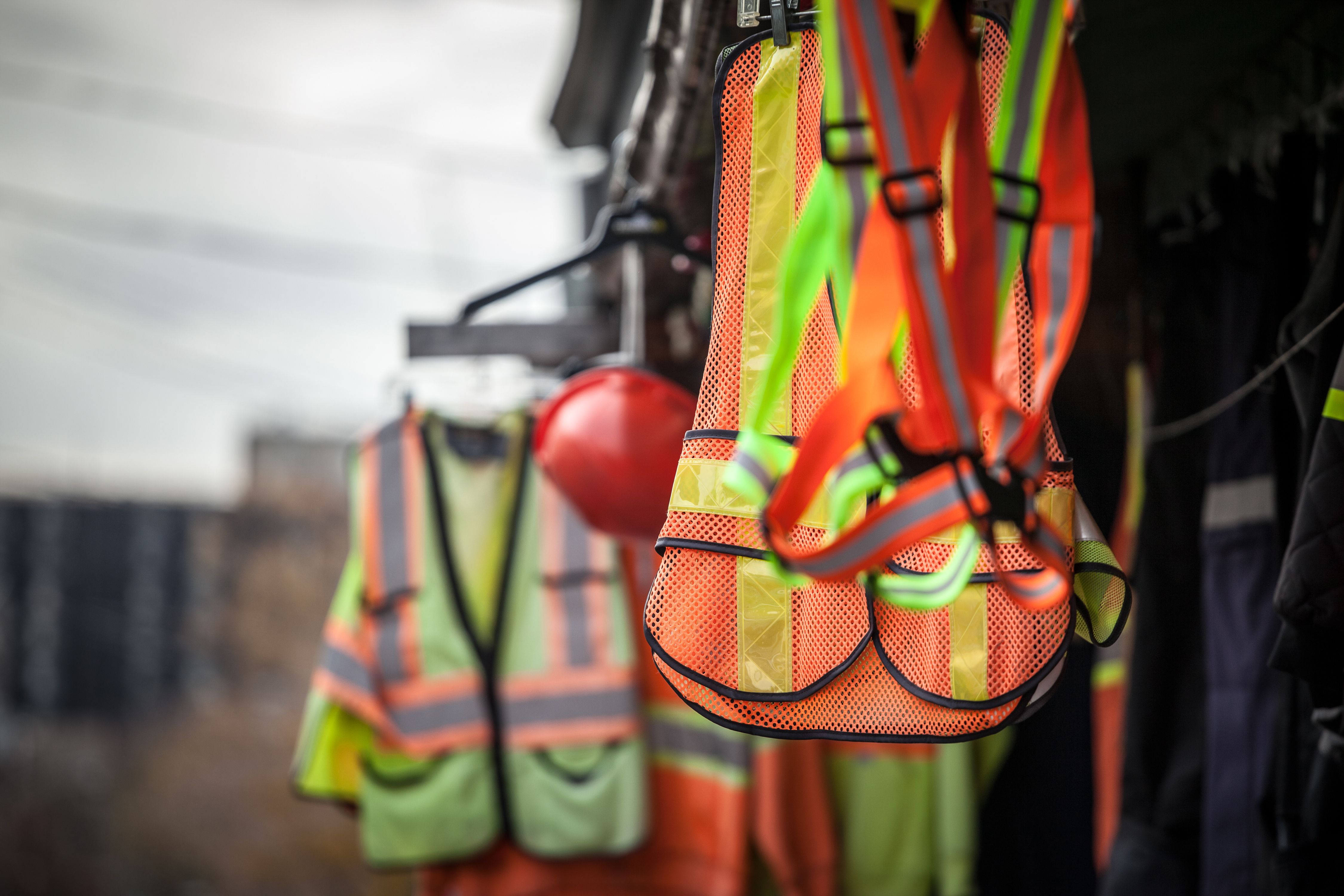
Proper preparation also includes determining the most effective demolition method, whether it be implosion, selective demolition, or mechanical demolition with heavy machinery.
The Demolition Process
With everything in place, the actual demolition can begin. This stage involves the physical teardown of structures and may vary in duration depending on the size and complexity of the project. Heavy machinery, such as excavators and bulldozers, are commonly used to dismantle buildings systematically.
During this process, constant communication with the demolition team is essential to ensure everything proceeds according to plan. Safety is the top priority, so regular inspections and adherence to safety protocols are mandatory.
Debris Removal and Site Cleanup
After demolition, the site will be littered with debris that needs to be promptly removed. Efficient debris management not only helps in maintaining site safety but also prepares the site for future construction or landscaping.

Recycling and proper disposal of materials, such as concrete, steel, and wood, play a vital role in minimizing environmental impact. Some materials can be salvaged and reused, adding a sustainable element to the project.
Post-Demolition Inspection and Finalization
The final step is a thorough inspection of the site to ensure that it meets all safety and legal requirements. This includes verifying that all debris has been cleared and that the site is ready for its next phase, whether it’s new construction or redevelopment.
Completing any necessary paperwork and ensuring all permits are closed out is essential. This finalization stage often involves collaboration with local authorities to confirm compliance with all regulations.
By understanding each step of the demolition process, you can ensure your project runs smoothly and efficiently, paving the way for successful future developments.