
What to Expect During a Demolition Project: A Comprehensive Guide
Understanding Demolition Projects
Embarking on a demolition project can be an exciting yet daunting task. Whether you're tearing down a small structure or a large building, understanding what to expect can help streamline the process. This comprehensive guide will provide insights into the key stages and considerations involved in a demolition project.

Initial Planning and Permits
Before any demolition work begins, thorough planning is essential. You’ll need to consider the scope of the project and secure necessary permits. This involves contacting local authorities to ensure compliance with zoning laws and safety regulations. It’s crucial to have a clear plan outlining the extent of the demolition, timelines, and budget.
Working with a licensed demolition contractor can simplify the process. They will handle the paperwork and ensure that all legal requirements are met, allowing you to focus on other aspects of your project.
Preparing the Site for Demolition
Once permits are secured, the next step is site preparation. This includes disconnecting utilities such as water, electricity, and gas. It’s important to ensure that the site is safe and free from hazards before demolition begins. This might also involve the removal of hazardous materials like asbestos.

Site preparation may also include erecting fences and barriers to protect surrounding areas and ensure the safety of workers and the public. Proper signage should be displayed to warn of potential dangers and restricted areas.
The Demolition Process
The actual demolition can vary greatly depending on the structure and method chosen. Common methods include mechanical demolition using heavy machinery like excavators or cranes, and some projects may require controlled implosions.
- Mechanical Demolition: Often the most straightforward method, it involves using machines to tear down structures piece by piece.
- Implosion: A more complex method used for larger buildings, involving strategically placed explosives to bring down a structure safely.
Managing Debris and Waste
Post-demolition, managing debris and waste is a significant task. It’s essential to have a plan for sorting and disposing of materials. Recycling is encouraged, as many materials such as metal, concrete, and wood can be repurposed.
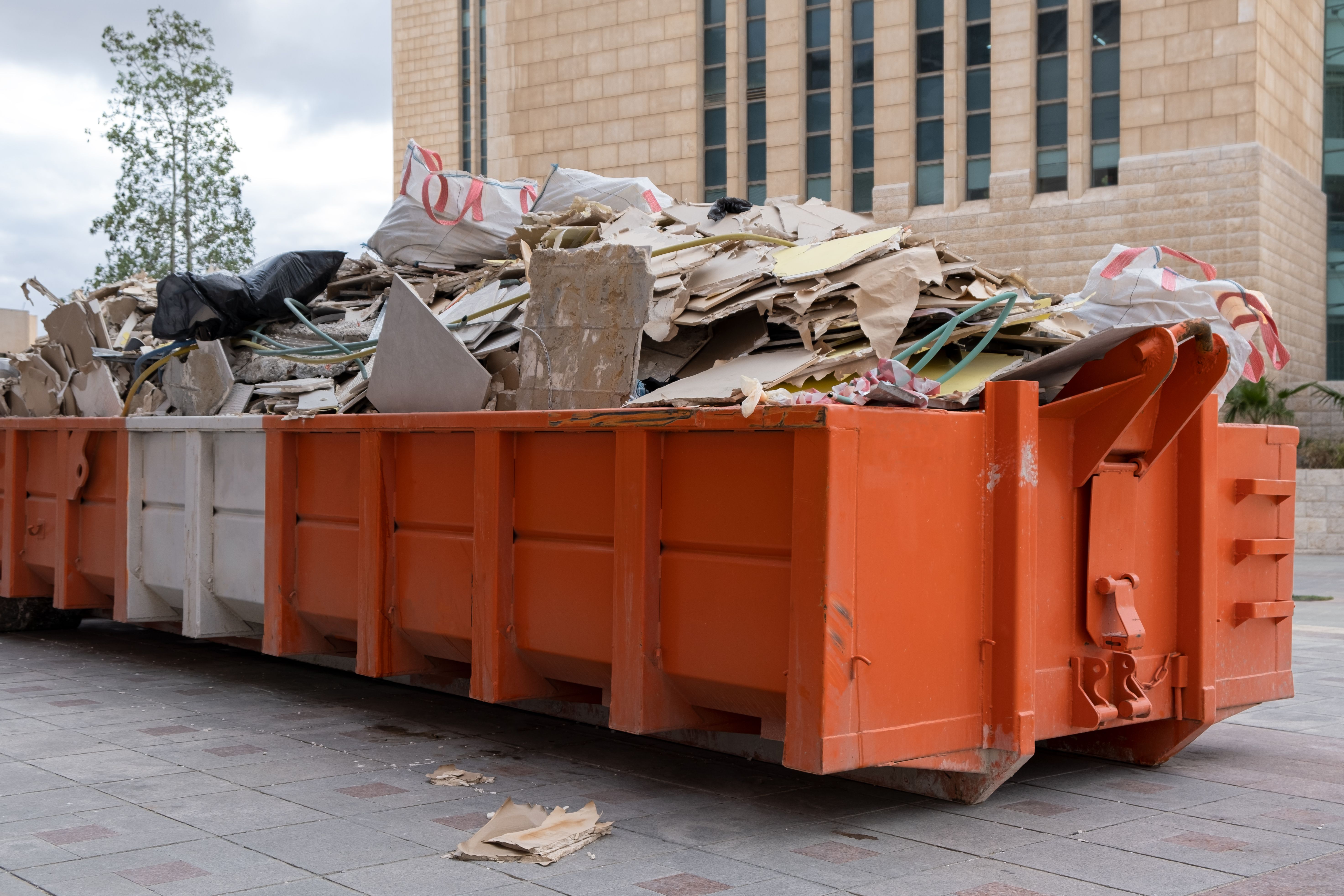
Working with a waste management company can ensure that debris is disposed of legally and efficiently. Proper waste management not only helps the environment but also reduces costs associated with landfill fees.
Site Cleanup and Restoration
After the demolition and debris removal, the site will need to be cleaned and restored. This might involve grading the land, filling in holes, and preparing the area for future use. Restoration is crucial to ensure the site is safe and ready for the next phase of development.
In some cases, additional landscaping or soil testing may be needed to complete the restoration process. Ensuring a thorough cleanup will pave the way for successful redevelopment.
Final Considerations
Throughout the demolition project, maintaining clear communication with all stakeholders is vital. Regular updates and meetings with contractors, local authorities, and neighbors can help prevent misunderstandings and ensure a smooth process.
By understanding and planning for each stage of a demolition project, you can minimize risks and successfully transition to the next phase of your development. Whether you’re a seasoned developer or new to the process, this guide provides the foundation needed for effective project management.