
Waste Disposal Management: Common Misconceptions and Facts
Understanding Waste Disposal Management
Waste disposal management is a crucial aspect of maintaining a clean and sustainable environment. However, there are several misconceptions surrounding this topic that can lead to improper waste handling. Understanding the facts can help individuals and businesses make better decisions regarding waste management.
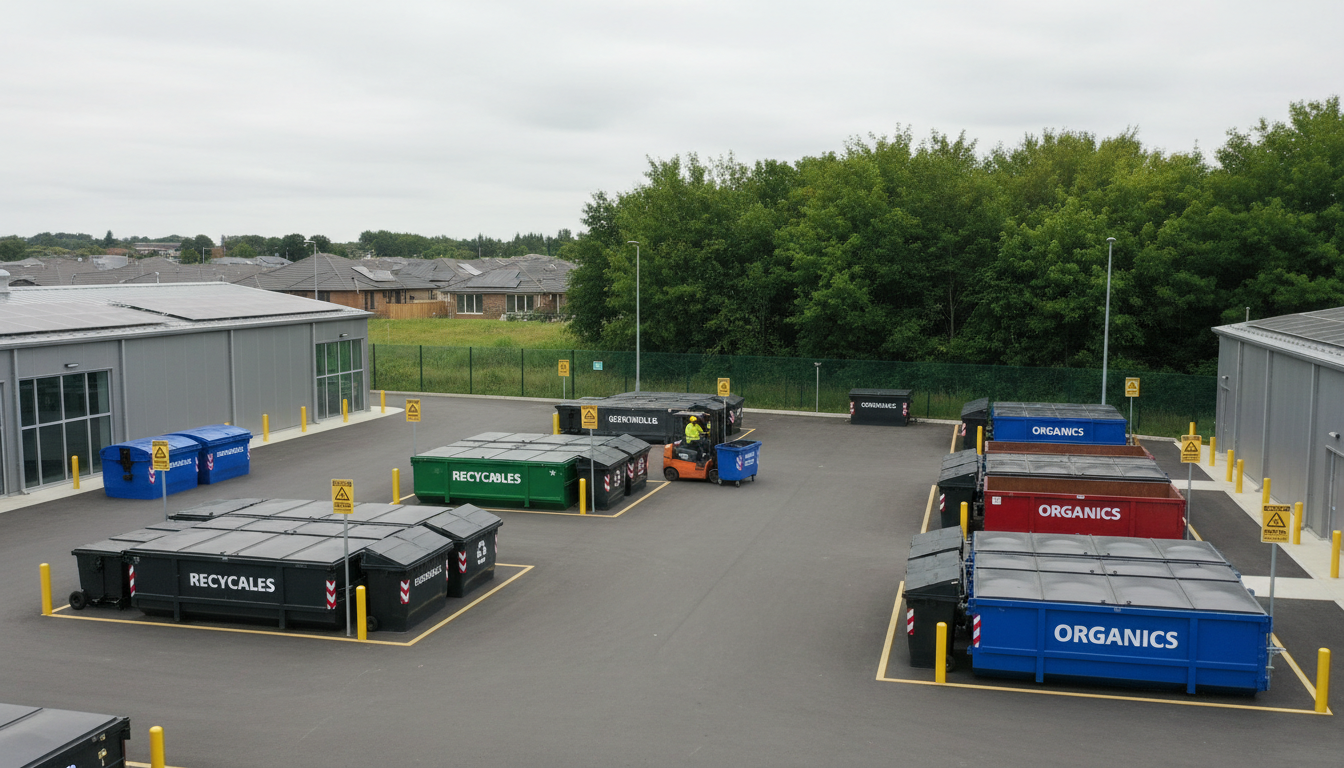
Misconception: Recycling Is Always the Best Option
Many people believe that recycling is the ultimate solution to waste management. While recycling is beneficial, it is not always the most efficient option. In some cases, reducing and reusing materials can have a greater positive impact on the environment. It's essential to consider the entire lifecycle of a product before deciding on the best disposal method.
For instance, certain plastics consume more energy during recycling than they save. In these situations, finding ways to reuse or reduce usage might be more environmentally friendly.
Fact: Not All Waste Is Recyclable
Another common misconception is that all waste can be recycled. In reality, many materials are not recyclable due to contamination or lack of recycling facilities. For example, greasy pizza boxes and certain types of plastics may end up in landfills because they cannot be processed effectively.
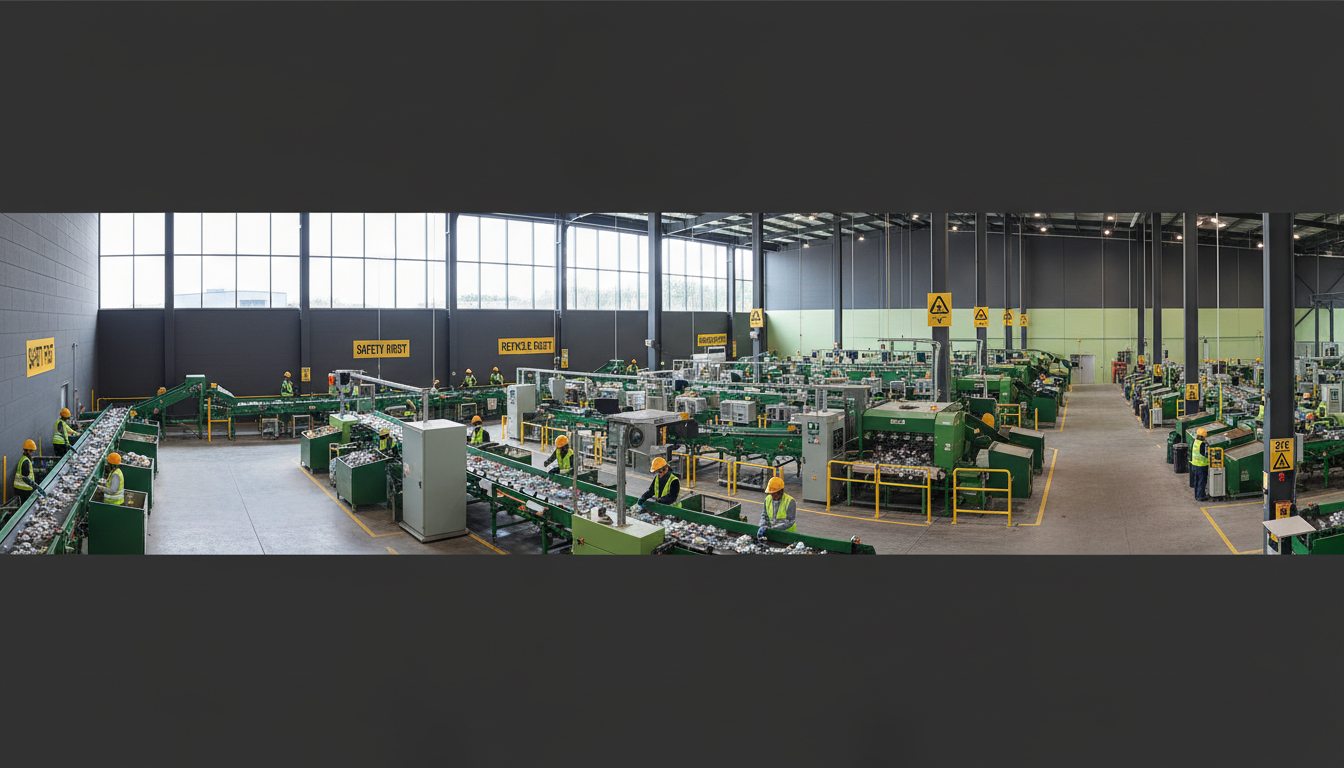
Understanding what can and cannot be recycled in your local area is crucial. Municipal guidelines often provide specific instructions on how to sort waste properly, ensuring more efficient recycling processes.
Misconception: Waste Management Is Only the Government's Responsibility
While government agencies play a significant role in waste management, individuals and businesses are also responsible. Implementing sustainable practices at home and in the workplace can significantly reduce waste production.
- Composting organic waste to reduce landfill use.
- Choosing products with minimal packaging.
- Supporting companies with sustainable practices.
Fact: Proper Waste Disposal Saves Money
Many people overlook the financial benefits of proper waste disposal. By reducing waste production and recycling efficiently, households and businesses can lower waste management costs. Additionally, some regions offer incentives for recycling, further encouraging sustainable practices.

Investing in waste reduction strategies not only benefits the environment but can also lead to significant cost savings in the long run.
The Role of Technology in Waste Management
Advancements in technology are continuously improving waste management processes. From smart bins that sort recyclables to apps that help individuals track their waste reduction, technology plays a vital role in creating more efficient systems.
Utilizing these technological tools can help both individuals and businesses optimize their waste management strategies, leading to more sustainable practices worldwide.