
Understanding Waste Disposal Management: Safe Practices for Abilene Residents
Waste disposal management is an essential aspect of maintaining a clean and healthy environment in Abilene. Understanding the processes and practices involved can help residents contribute positively to their community. By adopting safe and effective waste disposal methods, we can ensure a sustainable future for our city.
The Importance of Proper Waste Disposal
Proper waste disposal is crucial for reducing pollution and conserving natural resources. When waste is managed correctly, it minimizes the risk of environmental contamination. This is particularly important in preserving local ecosystems and maintaining public health.
Improper waste disposal can lead to severe consequences, including soil and water pollution. Moreover, it can attract pests and create unsanitary conditions. Therefore, understanding and implementing safe waste disposal practices is essential for every resident.

Types of Waste
Household Waste
Household waste includes everyday items such as food scraps, packaging, and paper products. It is essential to separate these materials appropriately for recycling and disposal. Abilene offers several recycling programs to help residents manage household waste efficiently.
Hazardous Waste
Hazardous waste consists of materials like batteries, chemicals, and electronic devices. These items require special handling and disposal to prevent harmful effects on the environment. Abilene residents are encouraged to utilize designated facilities for hazardous waste disposal.

Safe Waste Disposal Practices
Reduce, Reuse, Recycle
The three R's—reduce, reuse, and recycle—are fundamental principles for effective waste management. By reducing waste generation, reusing materials, and recycling, residents can significantly decrease the amount of waste sent to landfills.
- Reduce: Opt for products with minimal packaging and buy in bulk.
- Reuse: Repurpose items whenever possible instead of discarding them.
- Recycle: Sort recyclables according to local guidelines and participate in community recycling programs.
Composting
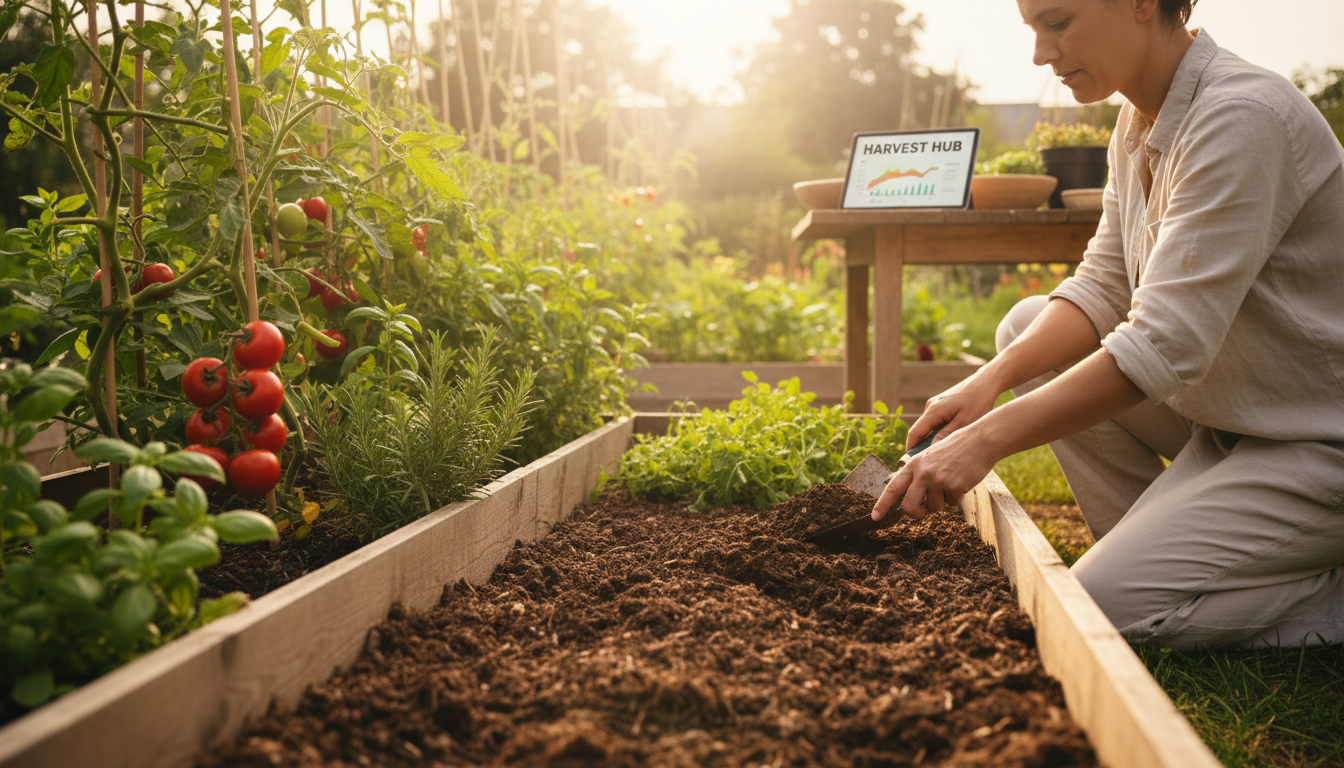
Composting is an excellent way to manage organic waste. By composting food scraps and yard waste, residents can create nutrient-rich soil for gardening. This practice not only reduces waste but also enriches the soil, promoting sustainable gardening practices.
Community Involvement
Community involvement plays a significant role in effective waste management. Participating in local clean-up events and educational programs can enhance awareness and encourage responsible waste disposal practices. Abilene offers various initiatives to engage residents in maintaining a clean environment.
By working together, the community can make a substantial impact on waste reduction and environmental preservation. Encouraging neighbors to participate and sharing information about waste management can foster a culture of sustainability.
Conclusion
Understanding waste disposal management and implementing safe practices are vital for the health and well-being of Abilene residents. By staying informed and actively participating in waste reduction efforts, we can contribute to a cleaner, greener city. Embracing these practices ensures a sustainable future for generations to come.