
Understanding Asbestos: Common Misconceptions and Facts
Understanding Asbestos
Asbestos is a naturally occurring mineral that was once widely used in various industries due to its resistance to heat and corrosion. However, its link to serious health issues has led to a decline in its use and increased regulation. Despite this, many misconceptions about asbestos persist. This post aims to clarify some common misunderstandings and provide factual information.

What is Asbestos?
Asbestos refers to a group of six naturally occurring fibrous minerals. These fibers are microscopic and can be easily inhaled, leading to potential health risks. Historically, asbestos was used in construction materials, automotive parts, and even household items because of its durability and heat-resistant properties.
While asbestos is not used as extensively today, it can still be found in older buildings and products. Understanding its characteristics and potential dangers is crucial for safety and health.
Common Misconceptions
One of the most prevalent misconceptions is that all asbestos is dangerous. While it is true that asbestos can pose health risks, it is primarily the airborne fibers that are harmful. Asbestos materials that are intact and undisturbed typically do not pose a significant risk.
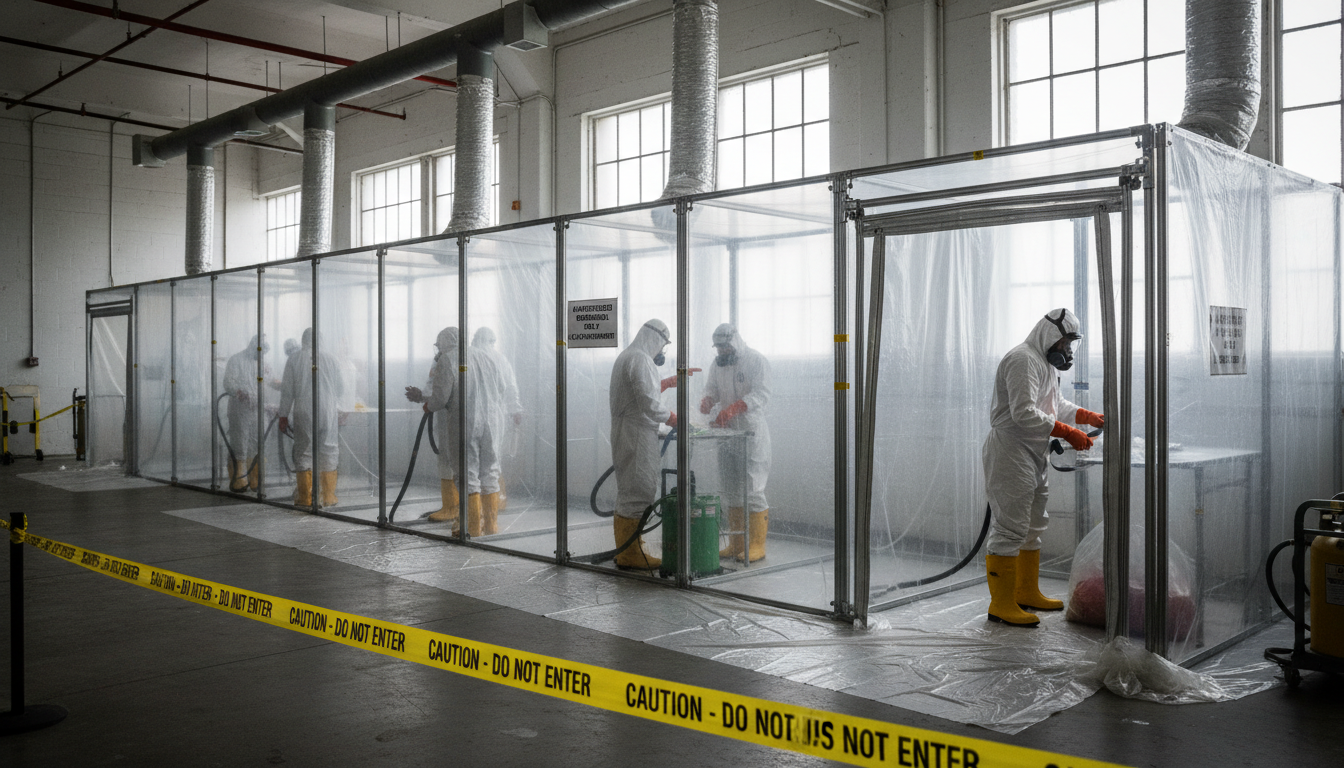
Another misconception is that asbestos only affects those who work directly with it. In reality, anyone exposed to airborne asbestos fibers can be at risk, including family members of workers who might carry fibers home on their clothing.
Health Risks of Asbestos
The health risks associated with asbestos are serious and include diseases such as asbestosis, lung cancer, and mesothelioma. These conditions may take years or even decades to develop after exposure, making early detection and prevention critical.
It's important to note that smoking can exacerbate the effects of asbestos exposure, particularly in the development of lung cancer. Individuals who have been exposed to asbestos should avoid smoking to reduce their risk.
Asbestos Regulation and Safety
Due to its health risks, asbestos use is heavily regulated in many countries. Regulations often require proper identification and removal of asbestos-containing materials by certified professionals to prevent exposure.
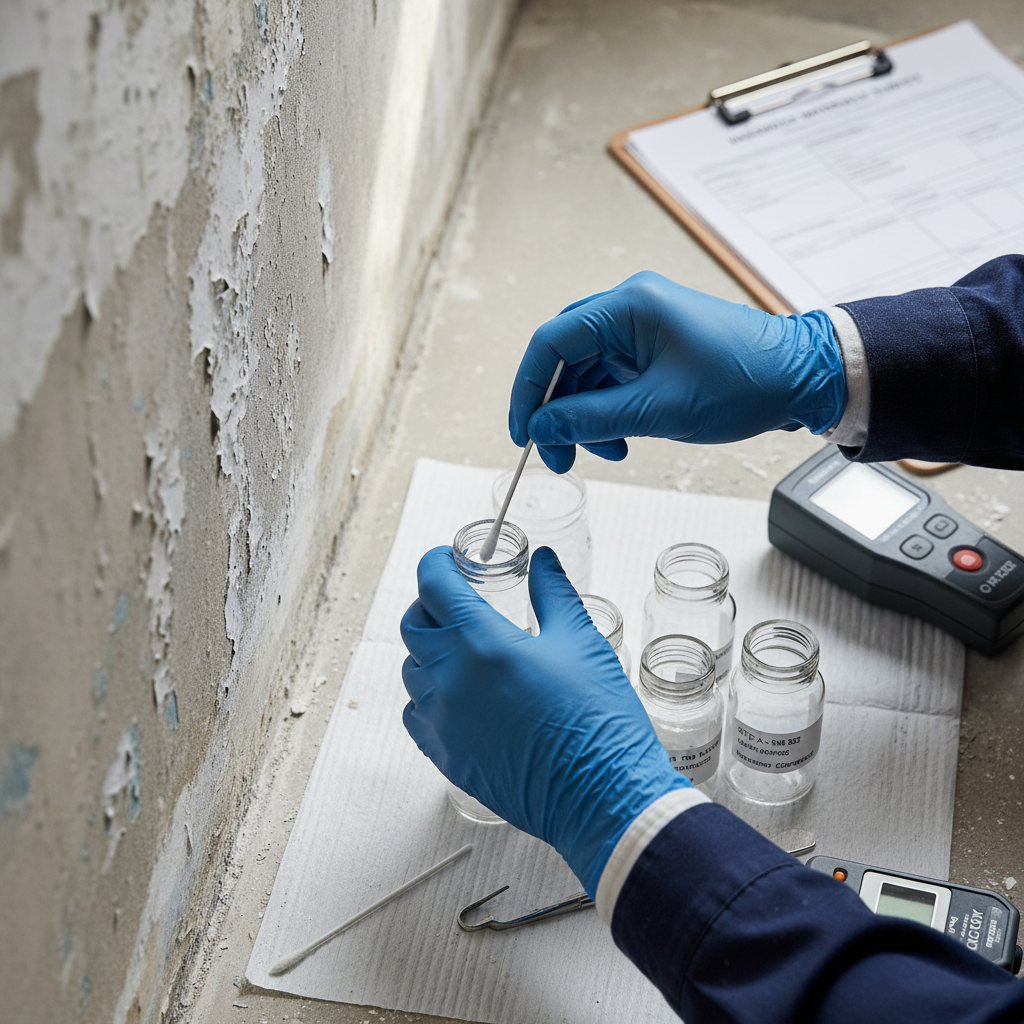
For homeowners, it is essential to have older properties inspected by professionals if asbestos is suspected. Attempting to remove asbestos without professional help can increase the risk of exposure and is not recommended.
Conclusion
Understanding asbestos, its risks, and the common misconceptions surrounding it is vital for safety and health. By staying informed and following regulations, individuals can significantly reduce the dangers associated with this once-common material.
For more information on asbestos and safety measures, consider reaching out to experts or local health agencies. Keeping informed and taking proactive steps can help protect you and your loved ones from potential asbestos-related health issues.