
Understanding Asbestos: Common Misconceptions and Facts
Introduction to Asbestos
Asbestos, a naturally occurring mineral, has been widely used in various industries due to its durability and heat resistance. Despite its benefits, asbestos poses significant health risks, leading to widespread misconceptions. Understanding the facts about asbestos is crucial for safety and awareness.
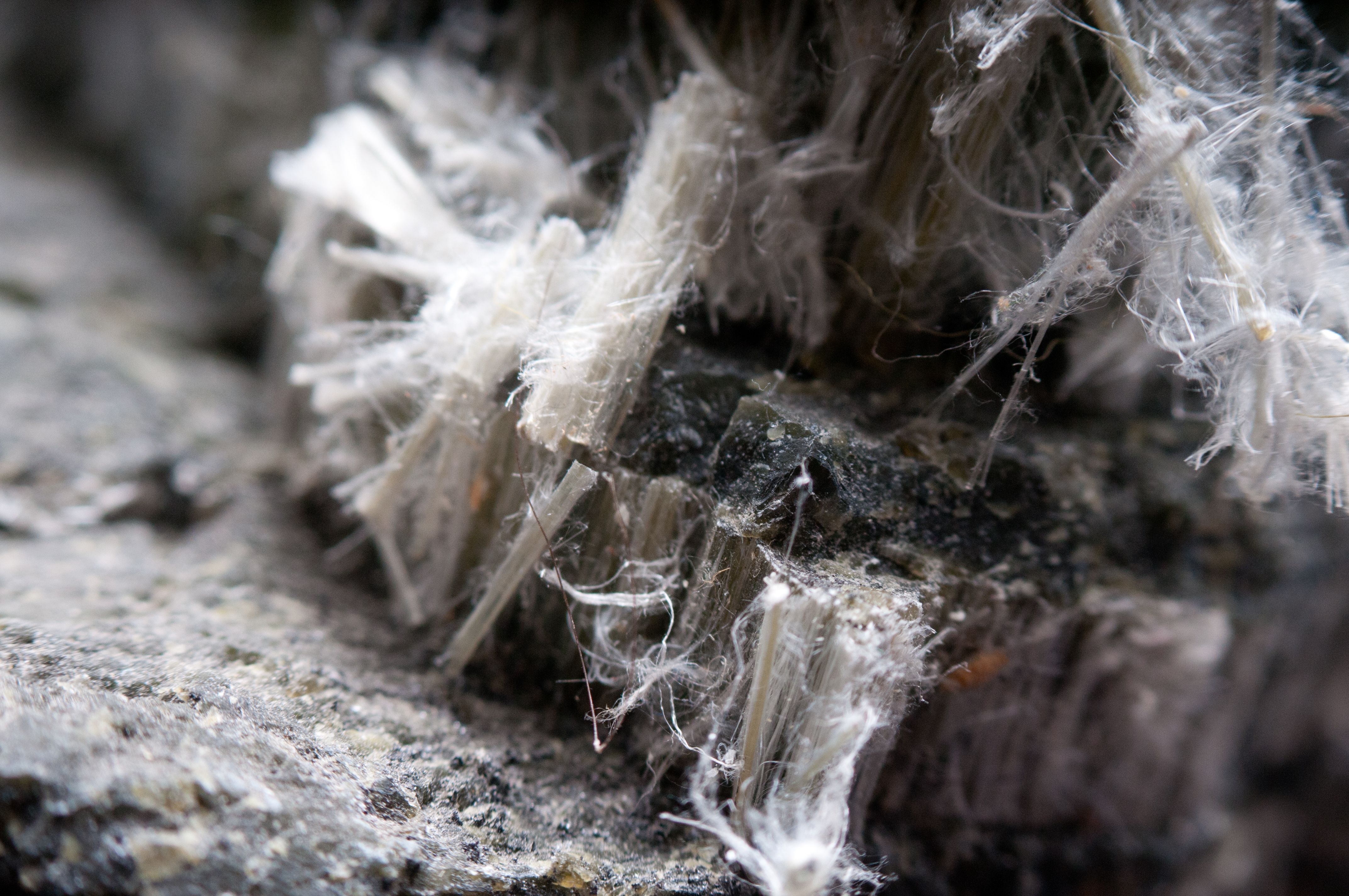
What Is Asbestos?
Asbestos consists of six naturally occurring silicate minerals. These minerals are composed of thin, fibrous crystals, which can be harmful if inhaled. Historically, asbestos has been used in construction, automotive, and various other industries due to its versatile properties.
Types of Asbestos
There are six types of asbestos, but the most common are chrysotile and amphibole. Chrysotile, also known as white asbestos, is the most prevalent form found in buildings. Amphibole asbestos is less common but equally hazardous.
Common Misconceptions
One major misconception is that asbestos is banned worldwide. While many countries have regulations, asbestos is still legal in some regions. Another myth is that asbestos is only dangerous when disturbed. However, prolonged exposure, even to undisturbed asbestos, can still pose health risks.

Health Risks
Exposure to asbestos fibers can lead to serious health issues, including lung cancer, mesothelioma, and asbestosis. The risk increases with prolonged exposure, emphasizing the importance of proper safety measures and awareness.
Asbestos in Buildings
Many older buildings contain asbestos in insulation, roofing, and flooring materials. It is crucial to identify and manage asbestos in these structures to prevent exposure. Professional assessment and removal are recommended for safety.
Identifying Asbestos
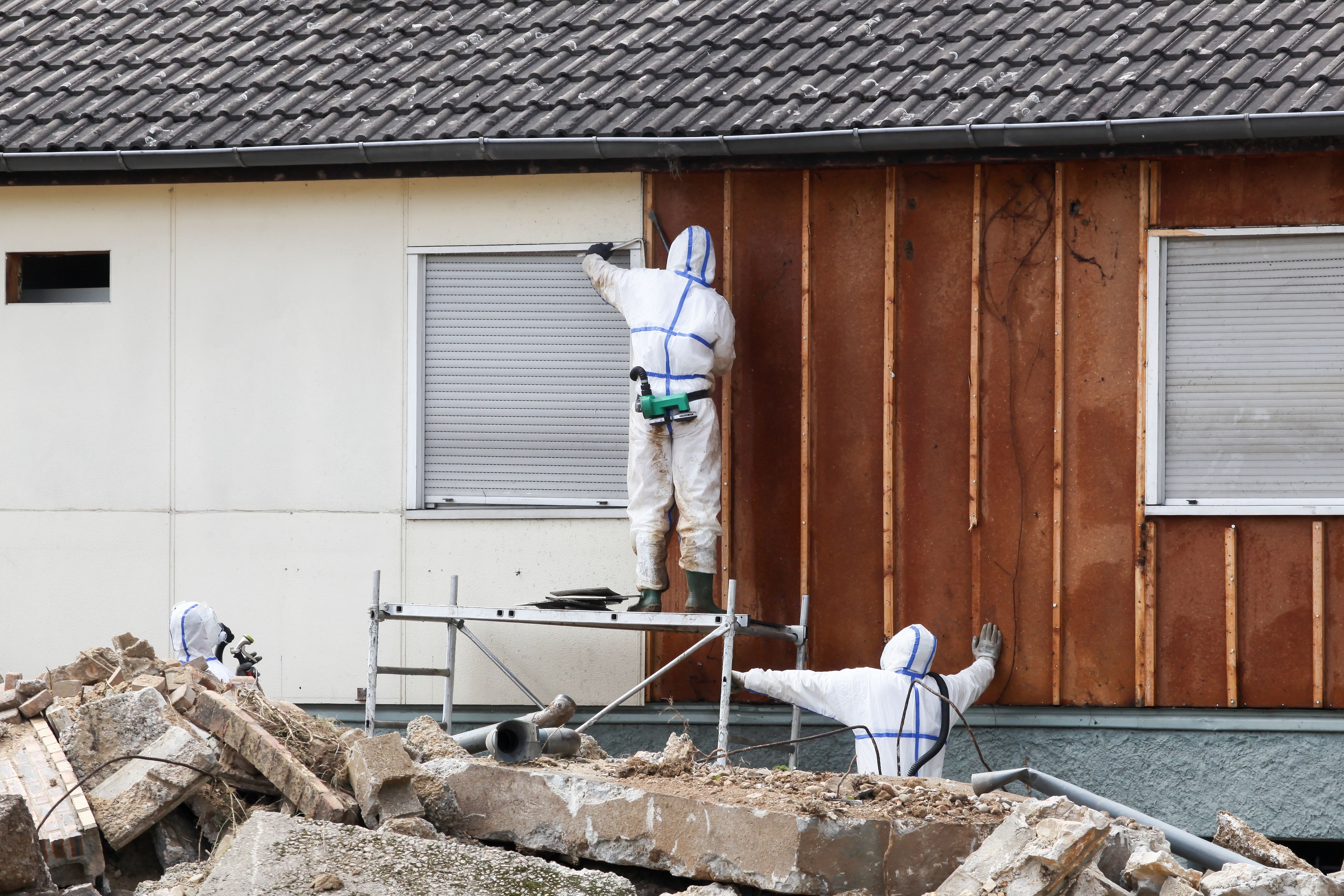
Identifying asbestos requires professional testing. Homeowners and workers should not attempt to identify or remove asbestos without expert assistance, as improper handling can release harmful fibers into the air.
Regulations and Safety
Various countries have implemented regulations to control asbestos use and ensure safe removal. These regulations aim to protect public health and reduce exposure risks. Staying informed about local laws and guidelines is essential.
Asbestos Alternatives
With increasing awareness, industries are now opting for safer alternatives to asbestos. Materials such as fiberglass, cellulose, and polyurethane foams offer similar benefits without the associated health risks.
Conclusion
Understanding asbestos and its associated risks is vital for health and safety. By debunking common misconceptions and being informed about regulations and alternatives, we can effectively manage and mitigate the dangers of asbestos exposure.