
The Future of Demolition Services: Trends and Innovations to Watch
The demolition industry is undergoing significant changes as new technologies and sustainable practices take center stage. As we look to the future, several trends and innovations are poised to redefine how demolition services operate, making them safer, more efficient, and environmentally friendly.

Technological Advancements in Demolition
One of the most exciting developments in demolition services is the integration of technology. From drones to robotics, these advancements are changing the landscape of the industry. Drones, for example, are increasingly used for site surveys, providing detailed imagery and data without putting human workers at risk. This technology allows for precise planning and execution of demolition projects.
Robotics is another area making waves in demolition. Robots can now handle tasks that are too dangerous for humans, such as dismantling structures in hazardous environments. These machines improve safety and increase efficiency by working continuously without fatigue.

Sustainability in Demolition
As environmental concerns rise, the demolition industry is moving towards more sustainable practices. The focus is now on minimizing waste and maximizing recycling. Companies are investing in techniques that allow for the careful deconstruction of buildings, ensuring materials like steel, concrete, and wood are preserved and reused.
In addition to recycling, there is a growing emphasis on reducing the carbon footprint of demolition projects. This includes using electric or hybrid machinery to cut down on emissions and adopting methods that limit dust and noise pollution.
Innovative Materials and Techniques
The use of innovative materials and techniques is another trend shaping the future of demolition. For instance, controlled explosive demolition, which uses precision charges to bring down structures safely, is becoming more sophisticated. These methods reduce the risk of collateral damage and improve safety for surrounding areas.
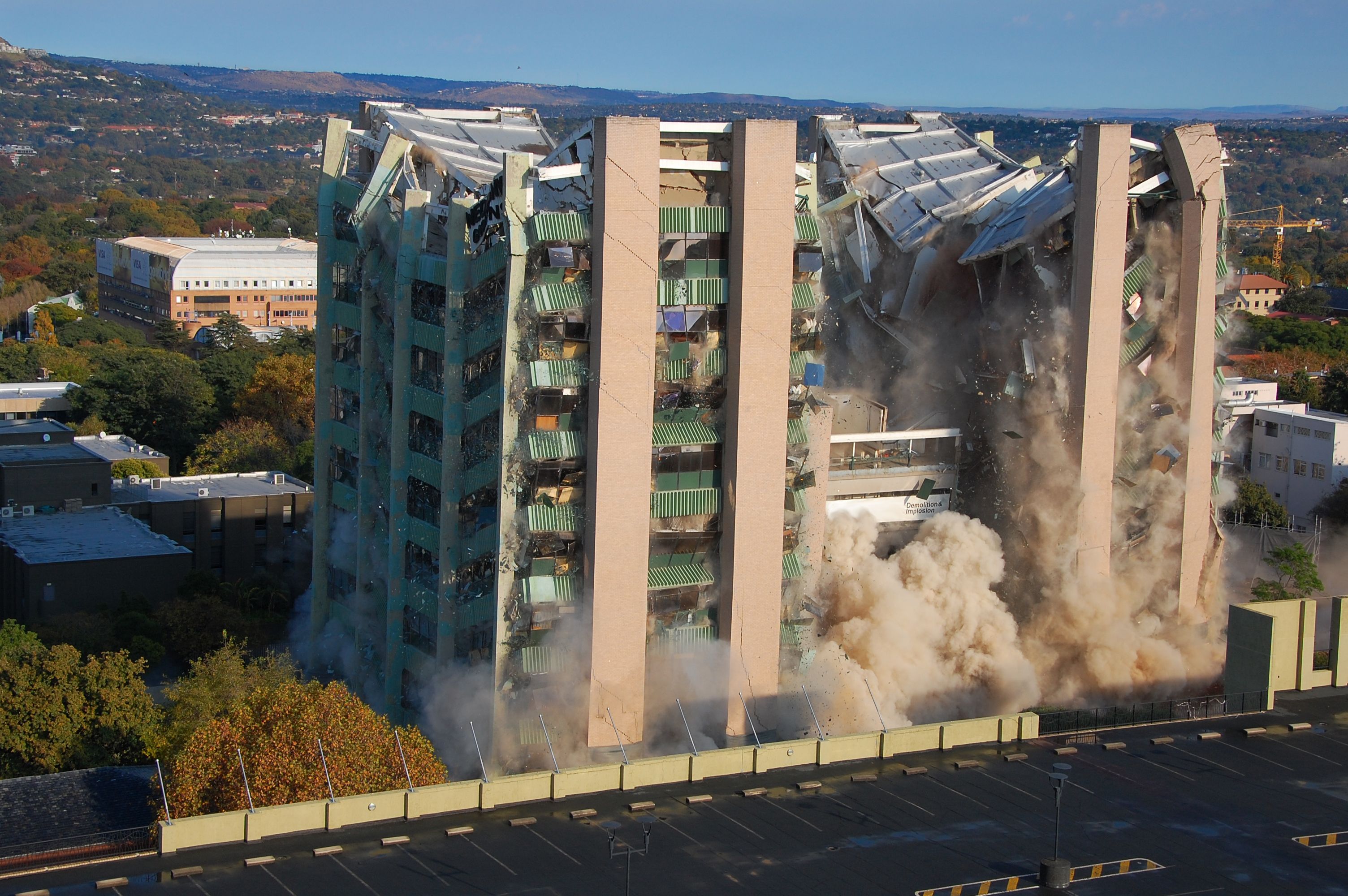
Furthermore, the development of new, eco-friendly demolition materials that minimize environmental impact is gaining traction. These materials are designed to break down easily, reducing waste and promoting sustainability.
Regulatory Changes and Safety Improvements
Regulatory changes are also influencing the direction of demolition services. Governments worldwide are tightening regulations to ensure safety and environmental compliance. This shift pushes companies to adopt better practices and invest in training and safety equipment.
Enhanced safety protocols, including the use of personal protective equipment (PPE) and advanced monitoring systems, are critical components of modern demolition projects. These measures help protect workers and the public, ensuring that demolition projects are completed without incident.

The Role of Data and Analytics
Data and analytics are playing a crucial role in the future of demolition services. By leveraging big data, companies can improve project planning and execution. Analytics provide insights into everything from project timelines to cost management, enabling more informed decision-making.
This data-driven approach allows for the optimization of resources and the identification of potential issues before they arise, ensuring projects are completed on time and within budget.
Looking Ahead
The future of demolition services is bright, with technology, sustainability, and safety at the forefront. As these trends continue to evolve, they promise to transform the industry, making it more efficient and environmentally conscious.
By embracing these changes, demolition companies can not only enhance their operations but also contribute to a more sustainable future.