
The Environmental Impact of Demolition: How Top Experts Minimize Waste
Understanding the Environmental Impact of Demolition
Demolition is a necessary part of urban development, but it often comes with significant environmental costs. The process can generate large amounts of waste and pollutants, impacting both local ecosystems and the broader environment. With the construction industry contributing significantly to global waste, it's essential to explore how experts are minimizing these effects.

Waste Generation and Its Consequences
Demolition projects produce a variety of waste materials, including concrete, wood, metals, and hazardous substances like asbestos. These materials can end up in landfills, contributing to pollution and resource depletion. The environmental impact is further exacerbated by the energy consumption associated with transporting and processing waste.
Moreover, the dust and debris from demolition can affect air and water quality, posing health risks to nearby communities. Understanding these impacts is crucial for developing effective waste management strategies.
Strategies for Minimizing Waste
Top experts in the field are employing several innovative strategies to reduce demolition waste. These include:
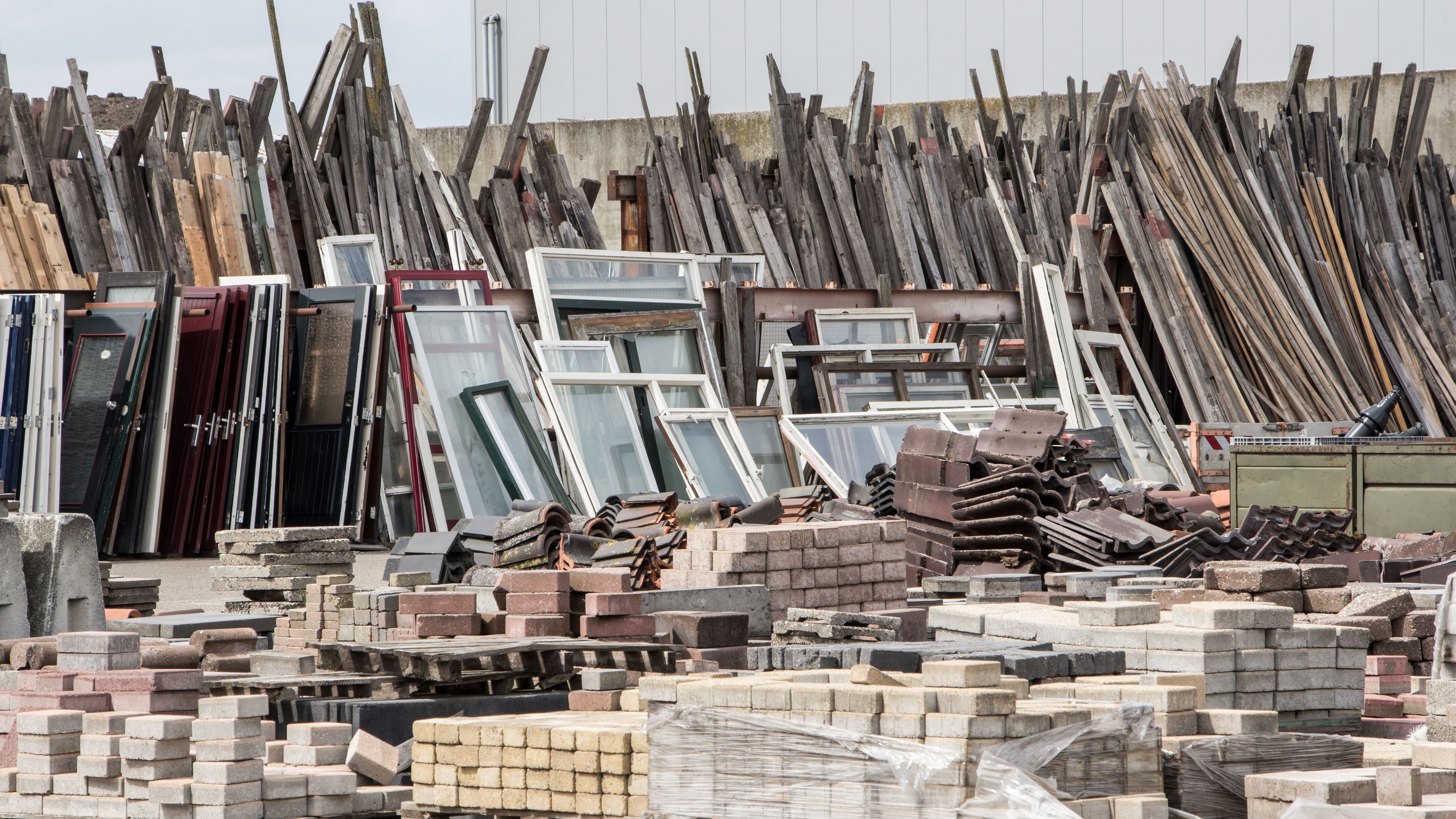
- Selective Demolition: This approach involves carefully dismantling structures to maximize the recovery of reusable materials, rather than demolishing everything indiscriminately.
- On-site Recycling: By processing materials on-site, companies can reduce the need for transportation and ensure that valuable resources are reclaimed and reused.
- Advanced Deconstruction Techniques: Using modern technology and equipment to disassemble buildings can improve efficiency and material recovery rates.
Innovative Technologies in Demolition
The adoption of new technologies is playing a pivotal role in minimizing the environmental impact of demolition. Robotics and AI-driven machinery allow for precise deconstruction, reducing waste and enhancing safety. Additionally, innovative sorting technologies improve the separation of materials, ensuring more efficient recycling processes.
Experts are also exploring the use of drones and advanced imaging techniques to assess structures before demolition. This helps in planning more sustainable projects by identifying materials that can be salvaged.
The Role of Policy and Regulation
Government policies and regulations are critical in driving sustainable demolition practices. By imposing strict requirements on waste management and promoting incentives for recycling, authorities can encourage companies to adopt greener methods. This not only reduces environmental impact but also fosters innovation in the industry.

Case Studies of Successful Projects
Several projects worldwide have successfully minimized waste through careful planning and execution. For instance, some urban redevelopment projects have achieved over 90% material recycling rates by implementing comprehensive demolition and recycling strategies.
These case studies serve as valuable examples for other projects, illustrating how effective management and innovative practices can lead to substantial environmental benefits.
Conclusion: A Sustainable Future for Demolition
As the world continues to grow and develop, the need for sustainable demolition practices becomes increasingly important. By embracing new technologies, innovative strategies, and stringent regulations, the industry can significantly reduce its environmental impact.
Ultimately, collaboration between experts, policymakers, and communities will be crucial in paving the way for a more sustainable future in urban development and demolition.