
The Complete Guide to Asbestos Removal: What You Need to Know
Understanding Asbestos
Asbestos is a naturally occurring mineral that was widely used in construction for its fire-resistant and insulating properties. However, it poses significant health risks, including lung cancer and mesothelioma, when its fibers become airborne and are inhaled. Understanding asbestos and its potential dangers is crucial before considering removal.

Identifying Asbestos
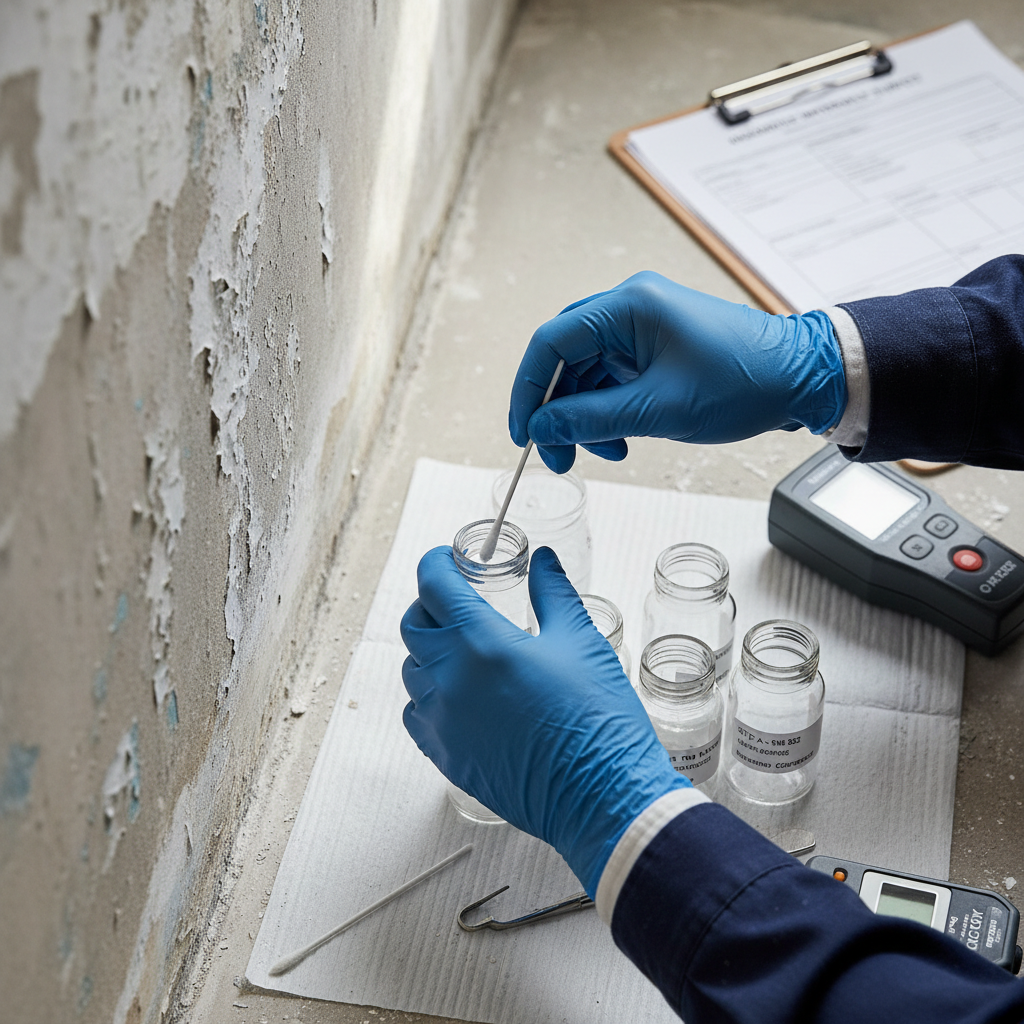
Before starting any removal process, it's essential to identify whether asbestos is present. Common places where asbestos may be found include insulation, floor tiles, roofing materials, and older appliances. Hiring a certified professional to conduct an inspection is the safest way to confirm its presence.
Health Risks of Asbestos Exposure
Exposure to asbestos fibers can lead to severe health issues. Long-term exposure is particularly hazardous, increasing the risk of lung diseases. Symptoms may take years to develop, making early detection difficult. Understanding these risks emphasizes the importance of proper removal techniques.
Legal Regulations and Guidelines
In many countries, strict regulations govern the handling and removal of asbestos. Familiarizing yourself with these laws ensures compliance and safety. Hiring a licensed asbestos removal company can help navigate these legal requirements effectively.
The Asbestos Removal Process
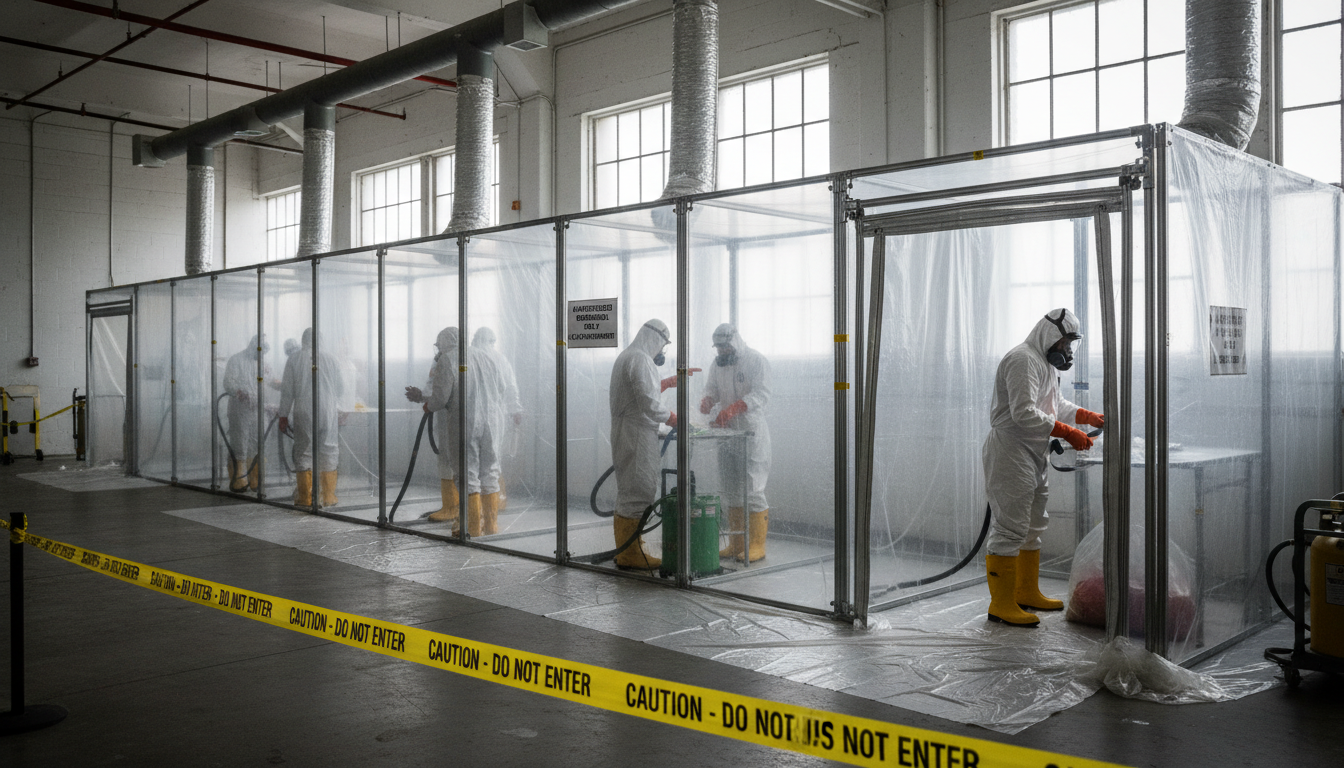
The removal process is complex and must be carried out with precision. Here are the general steps involved:
- Conduct a thorough inspection by a certified professional.
- Create a detailed removal plan, considering safety and legal guidelines.
- Set up a containment area to prevent fibers from spreading.
- Carefully remove and dispose of asbestos materials.
- Conduct a final inspection to ensure all asbestos is removed.
Choosing a Professional Removal Service
Selecting the right asbestos removal service is crucial. Look for companies with proper certification, experience, and a solid reputation. Request references and verify their compliance with local regulations to ensure a safe and effective removal process.
Post-Removal Procedures
Once asbestos has been removed, it's important to follow post-removal procedures to guarantee safety. This includes cleaning the area thoroughly and conducting air quality tests to ensure no fibers remain. Regular monitoring and maintenance can prevent future issues.

Prevention and Maintenance
Preventing asbestos exposure starts with regular inspections, especially in older buildings. Ensure any renovation or demolition work is conducted with asbestos safety in mind. Keeping informed about asbestos regulations and updates can also help safeguard your environment.