
Planning Your Summer Demolition Projects: A Comprehensive Guide
Understanding the Basics of Demolition
Before embarking on any summer demolition project, it's crucial to understand the basics. Demolition involves the tearing down of buildings or structures, either partially or completely. This process can be complex and requires careful planning to ensure safety and efficiency. Whether you're demolishing a small shed or a large structure, understanding the fundamentals will set you up for success.
One of the first steps is to determine the scale of your project. Are you planning to demolish an entire building or just a section? This decision will influence the methods and tools you'll need. Additionally, consider whether you'll handle the project yourself or hire professionals.
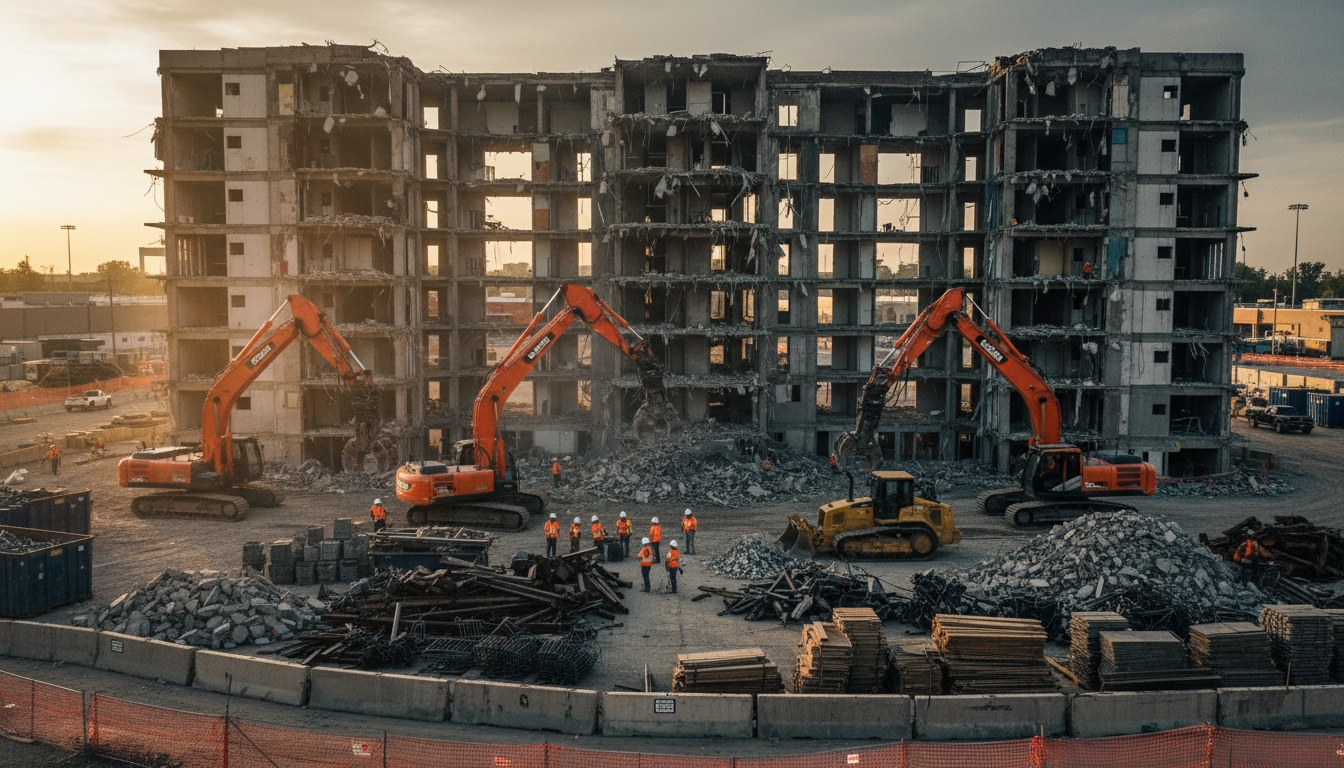
Planning Your Demolition Project
Effective planning is the cornerstone of any successful demolition project. Start by creating a detailed plan that outlines the scope, schedule, and budget. This plan should include a timeline that identifies key milestones and deadlines. Budgeting is also essential, as demolition can incur unexpected costs.
Ensure you have all the necessary permits and approvals from local authorities. This step is often overlooked but is crucial in avoiding legal complications. Additionally, consider environmental regulations that may affect your project, such as waste disposal and noise control.
Choosing the Right Tools and Equipment
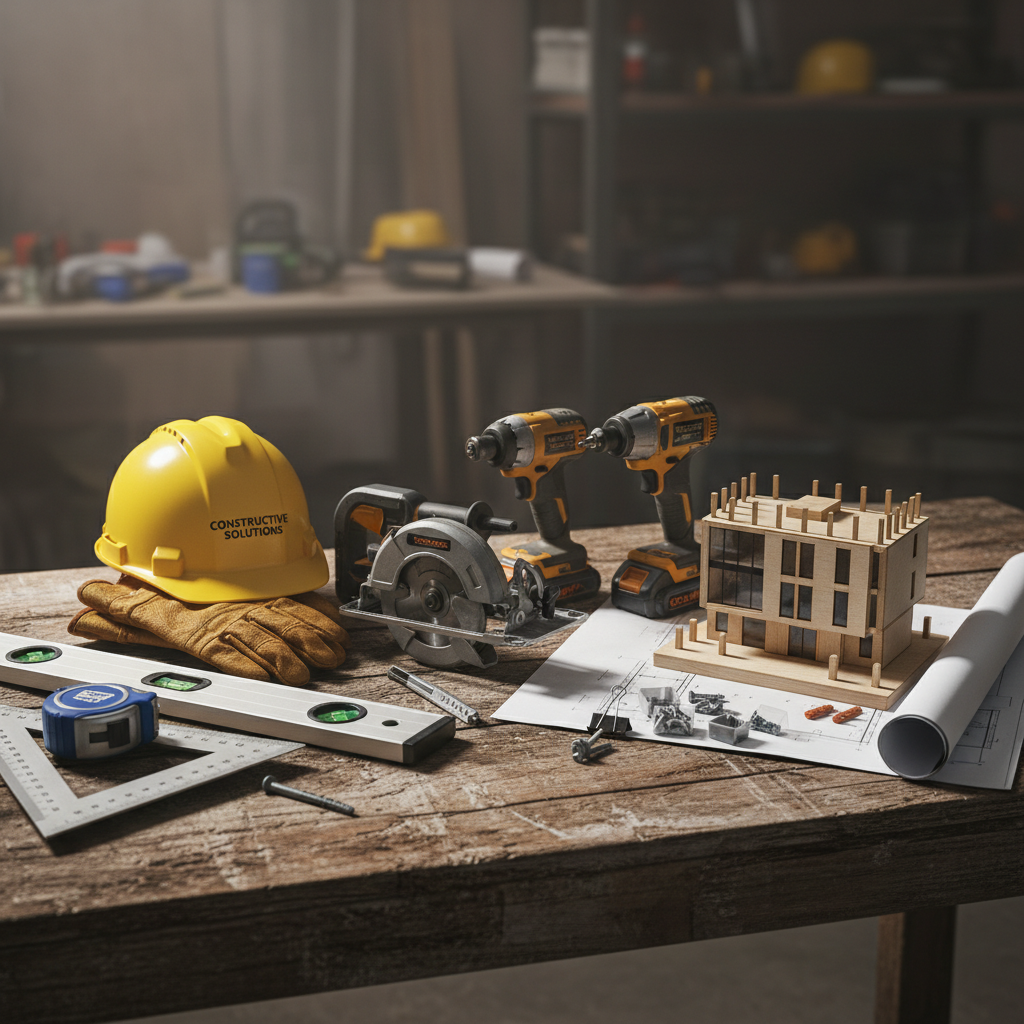
Selecting the appropriate tools and equipment is vital for the successful execution of your demolition project. For smaller tasks, you may only need basic tools like sledgehammers, pry bars, and power saws. Larger projects might require heavy machinery such as excavators or bulldozers.
Safety Precautions You Must Follow
Safety should always be your top priority when planning a demolition project. Ensure that everyone involved is wearing the appropriate personal protective equipment (PPE), such as hard hats, gloves, and safety goggles. Conduct a thorough risk assessment to identify potential hazards and develop strategies to mitigate them.
It's also essential to have a clear communication plan in place. This ensures that all team members are aware of safety protocols and can respond effectively in case of an emergency.
Waste Management and Disposal
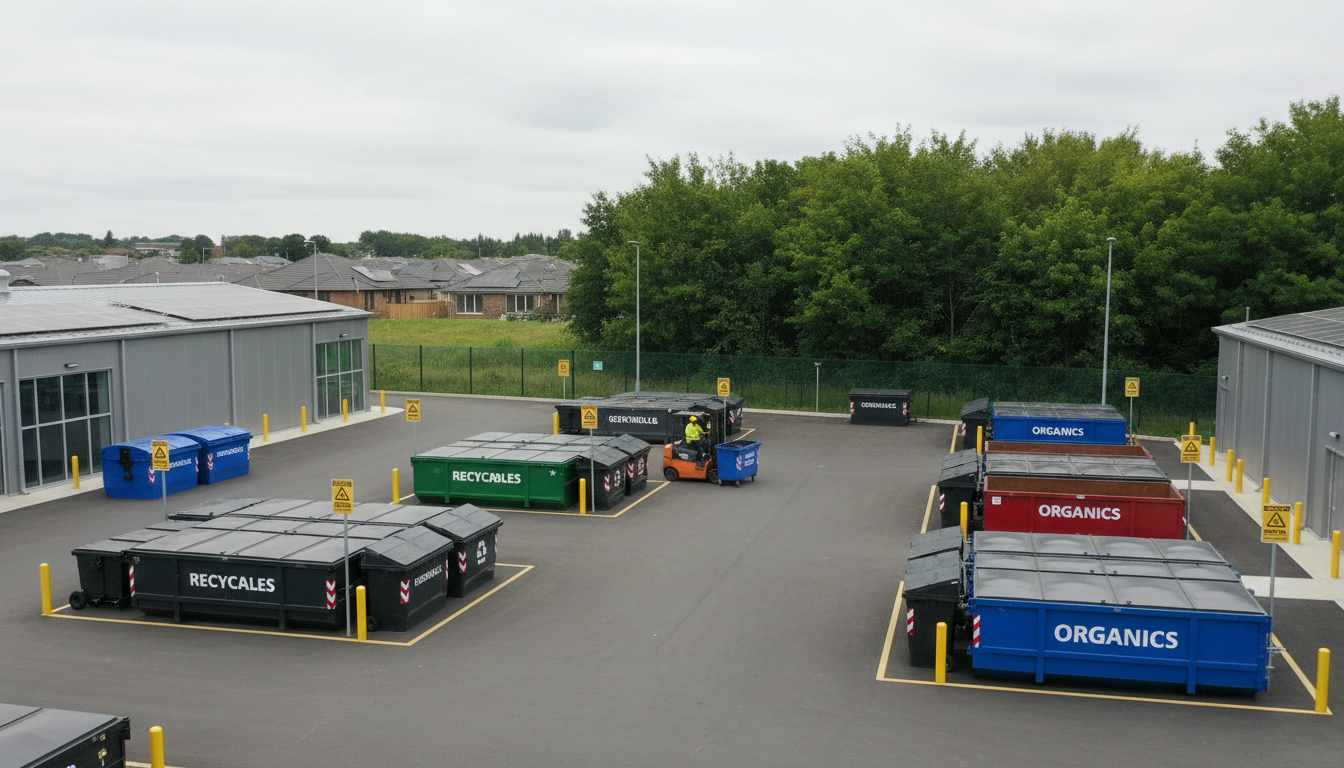
Another critical aspect of your demolition project is managing the waste generated. Develop a waste management plan that includes sorting, recycling, and disposal. Many materials, such as metal and concrete, can be recycled, reducing the environmental impact of your project.
Coordinate with waste management services to ensure timely and efficient disposal. This will not only keep your site clean but also help you comply with environmental regulations.
Final Checks and Project Wrap-Up
As your demolition project nears completion, conduct final checks to ensure everything has been executed according to plan. Review your initial objectives and confirm that all tasks are completed. This is also the time to address any issues that may have arisen during the project.
Once the site is cleared, perform a thorough inspection to ensure safety and cleanliness. This final step is crucial in preparing the area for its next phase, whether it's construction or landscaping.
By following this comprehensive guide, you'll be well-equipped to tackle your summer demolition projects with confidence and efficiency.