
Myth-Busting Asbestos Removal: Facts vs. Fiction
Understanding Asbestos: A Hidden Threat
Asbestos is a naturally occurring mineral that was widely used in construction materials for its durability and heat resistance. However, it poses significant health risks when fibers become airborne and are inhaled. Despite its dangers, many myths surround asbestos removal, leading to confusion and misinformation.
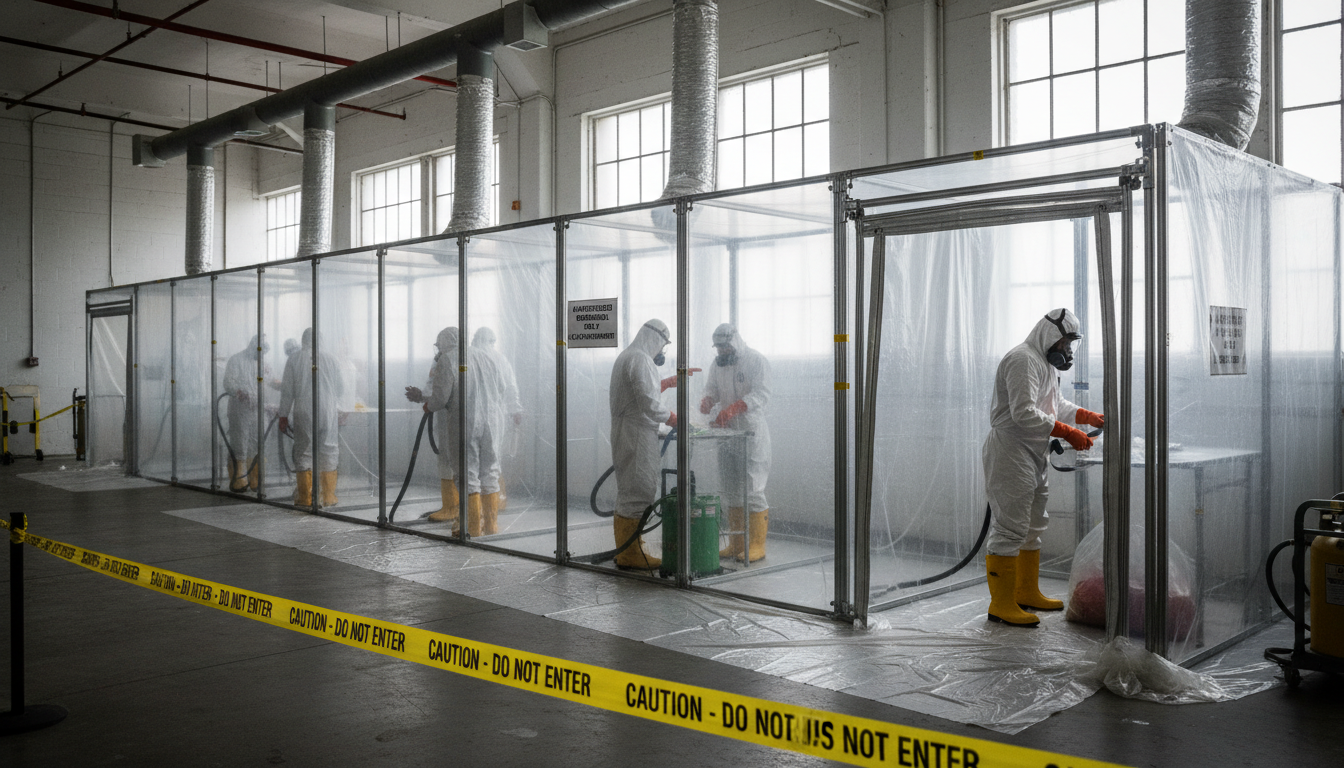
Understanding the truth about asbestos is crucial for ensuring safety and compliance with regulations. This post aims to debunk common myths and provide accurate information about asbestos removal.
Myth 1: Asbestos Removal is Unnecessary if It's Undisturbed
One of the most prevalent myths is that asbestos is harmless if left undisturbed. While undisturbed asbestos poses less risk, any renovation, damage, or natural wear can release fibers into the air. It’s crucial to assess potential exposure risks and consult professionals for proper management.

Ignoring asbestos can lead to significant health issues, including lung cancer and mesothelioma. It's essential to have a professional inspection to determine the best course of action.
Myth 2: DIY Asbestos Removal is Safe and Cost-Effective
Many believe that removing asbestos on their own is a viable option. This is a dangerous misconception. Professional asbestos removal teams are trained to handle materials safely and dispose of them according to regulations. Attempting DIY removal can disturb the fibers, increasing the risk of exposure.
- Professionals have the necessary equipment.
- They ensure compliance with local laws.
- They minimize health risks effectively.
Myth 3: All Asbestos Products are Banned
Contrary to popular belief, not all asbestos-containing products are banned. While regulations have significantly reduced its use, some products may still legally contain asbestos. It's vital to stay informed about current regulations and ensure any building materials are asbestos-free.
Regular inspections and testing can help identify and manage asbestos in older buildings, safeguarding both health and property values.
Myth 4: Asbestos Only Affects Older Buildings
While it’s true asbestos was predominantly used in older constructions, some newer buildings may still have asbestos-containing materials. It’s important not to assume safety based on the building's age alone.
- Always verify materials in renovations.
- Conduct thorough inspections before purchasing property.
Being proactive in identifying asbestos can prevent future health risks and costly renovations.
Conclusion: The Importance of Professional Asbestos Management
Busting these myths highlights the importance of understanding asbestos risks and the need for professional management. By debunking misconceptions, we can better protect our health and ensure compliance with safety standards.
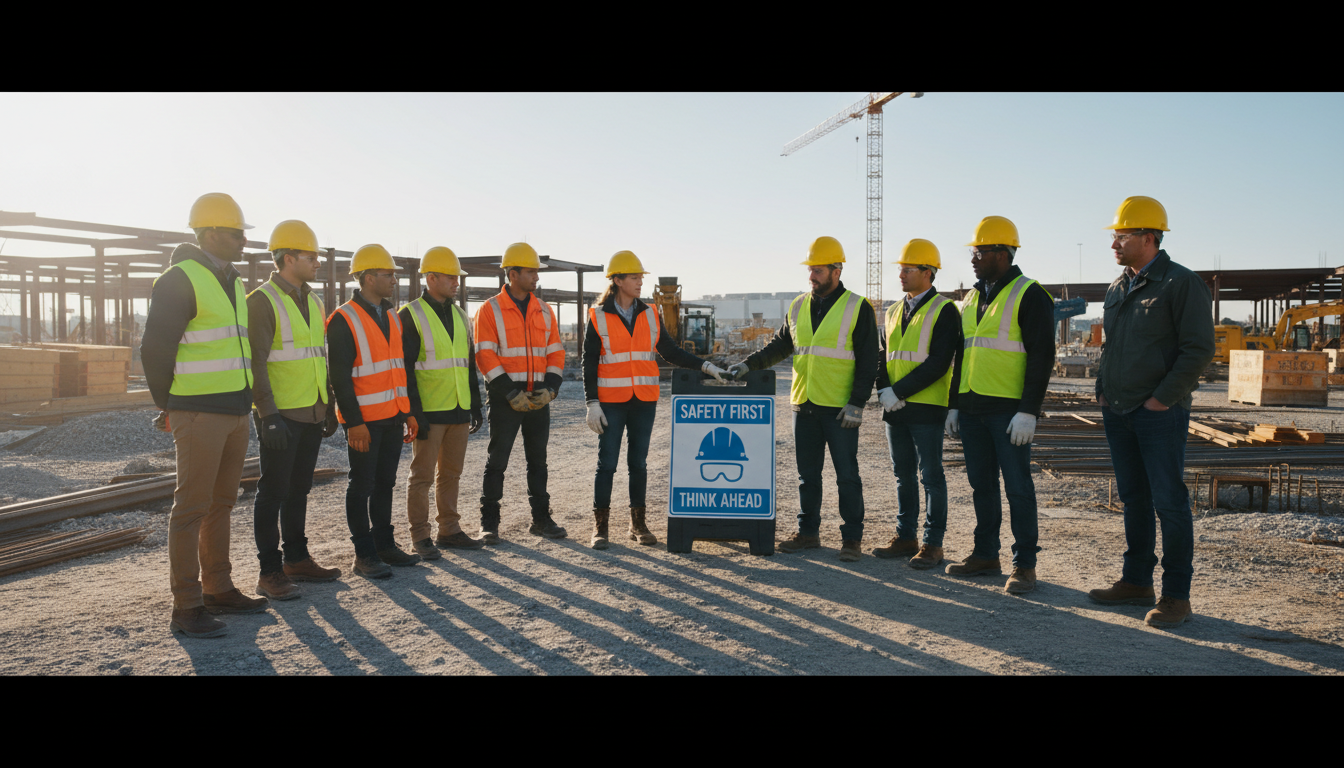
Consulting with certified asbestos removal experts is the best way to manage risks and maintain a safe environment. Always prioritize safety and informed decision-making when dealing with asbestos.