
Exploring the Latest Technologies in Asbestos Removal
Understanding Asbestos and Its Risks
Asbestos, once hailed for its durability and heat resistance, is now infamous for its health risks. Exposure to asbestos fibers can lead to severe respiratory illnesses, including asbestosis, lung cancer, and mesothelioma. This has made asbestos removal a critical concern in many industries.
Innovations in Asbestos Detection
One of the latest advancements in asbestos removal is the development of more sensitive detection technologies. New portable devices now use laser technology to identify asbestos fibers in the air, offering a safer and more efficient way to assess contamination levels.
These devices provide real-time data, allowing for quicker decision-making and minimizing exposure risks. Such innovations are pivotal as they enhance safety for workers and the surrounding environment.
Advanced Removal Techniques
Traditional asbestos removal methods often involve manual labor, which can be time-consuming and hazardous. However, the introduction of robotic systems has transformed the industry. These robots can safely dismantle asbestos-laden materials with precision, significantly reducing human exposure.

Encapsulation and Enclosure
Another modern technique is the use of encapsulation materials. These substances seal asbestos fibers, preventing them from becoming airborne. Enclosure methods, which involve building airtight barriers, ensure that asbestos is contained during removal.
Improved Safety Gear
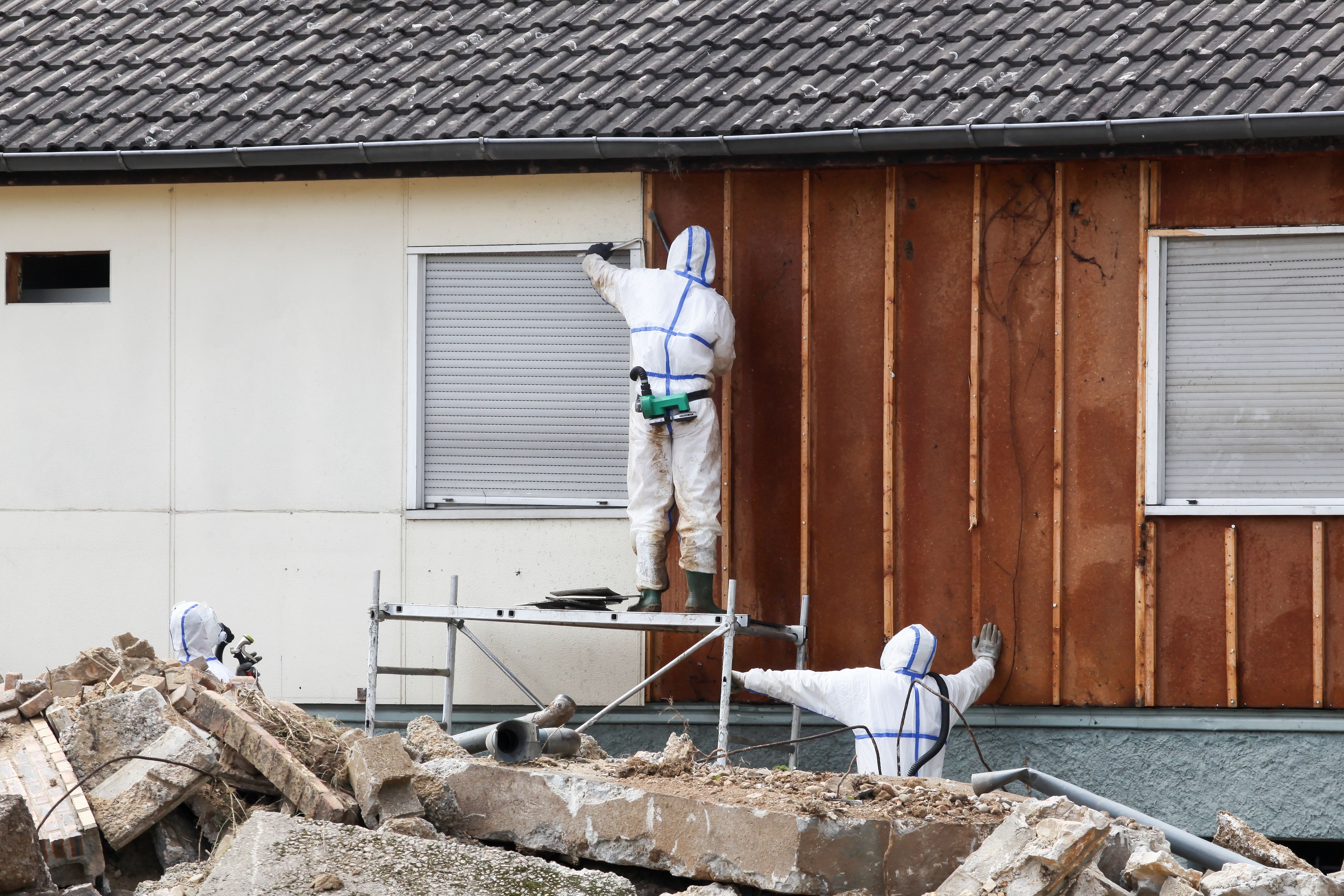
Recent advancements in personal protective equipment (PPE) have also contributed to safer asbestos removal processes. New materials offer better filtration and comfort, allowing workers to operate more effectively in contaminated areas.

Environmental Impact and Disposal
Asbestos disposal is another area where technology plays a crucial role. Innovative waste processing systems now ensure that asbestos is safely contained and neutralized, minimizing environmental impact. These systems adhere to stringent regulations, ensuring that asbestos waste does not pose a threat to communities.
Regulatory Compliance
Staying compliant with regulations is vital in asbestos removal. Technologies that provide detailed documentation and reporting help companies maintain transparency and adhere to legal requirements, ensuring safe practices are upheld.
Conclusion
The latest technologies in asbestos removal are reshaping the industry, making it safer and more efficient. From detection to disposal, these advancements are crucial in mitigating the risks associated with asbestos exposure. As the field continues to evolve, embracing these innovations will be essential for ensuring health and safety.