Expert Tips for Safe and Effective Waste Disposal
Understanding Waste Categories
Proper waste disposal begins with understanding the different categories of waste. Waste is typically classified into several types, including household waste, hazardous waste, electronic waste, and recyclable materials. Each type requires specific handling and disposal methods to ensure safety and environmental sustainability. By identifying the waste type, you can choose the most appropriate disposal method.
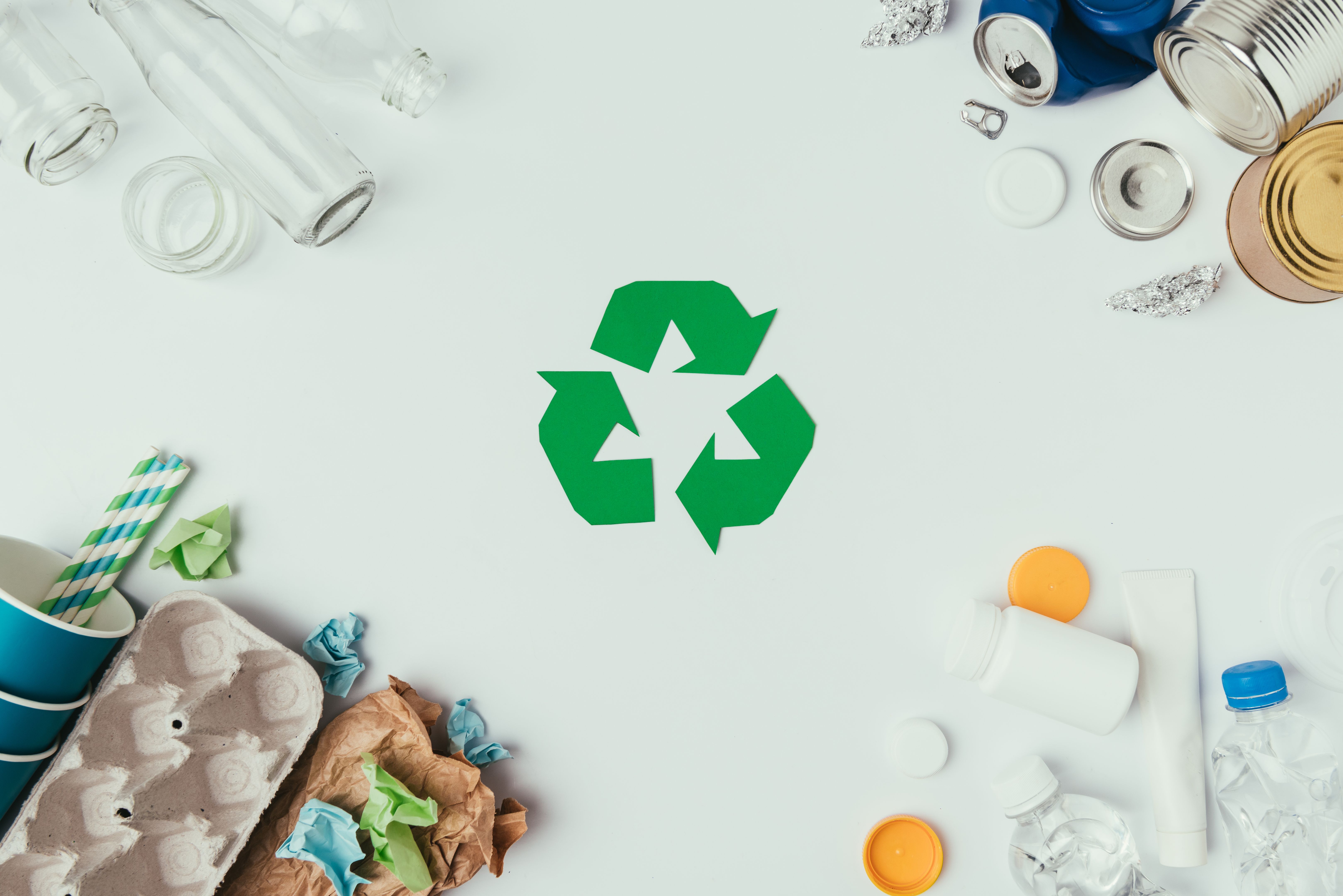
Household waste generally includes everyday items like food scraps, paper products, and packaging materials. In contrast, hazardous waste comprises substances that pose a potential risk to health or the environment, such as batteries, paints, and chemicals. Electronic waste, or e-waste, includes old computers, phones, and appliances, while recyclable materials can be processed and reused, reducing the need for new resources.
Implementing Safe Disposal Methods
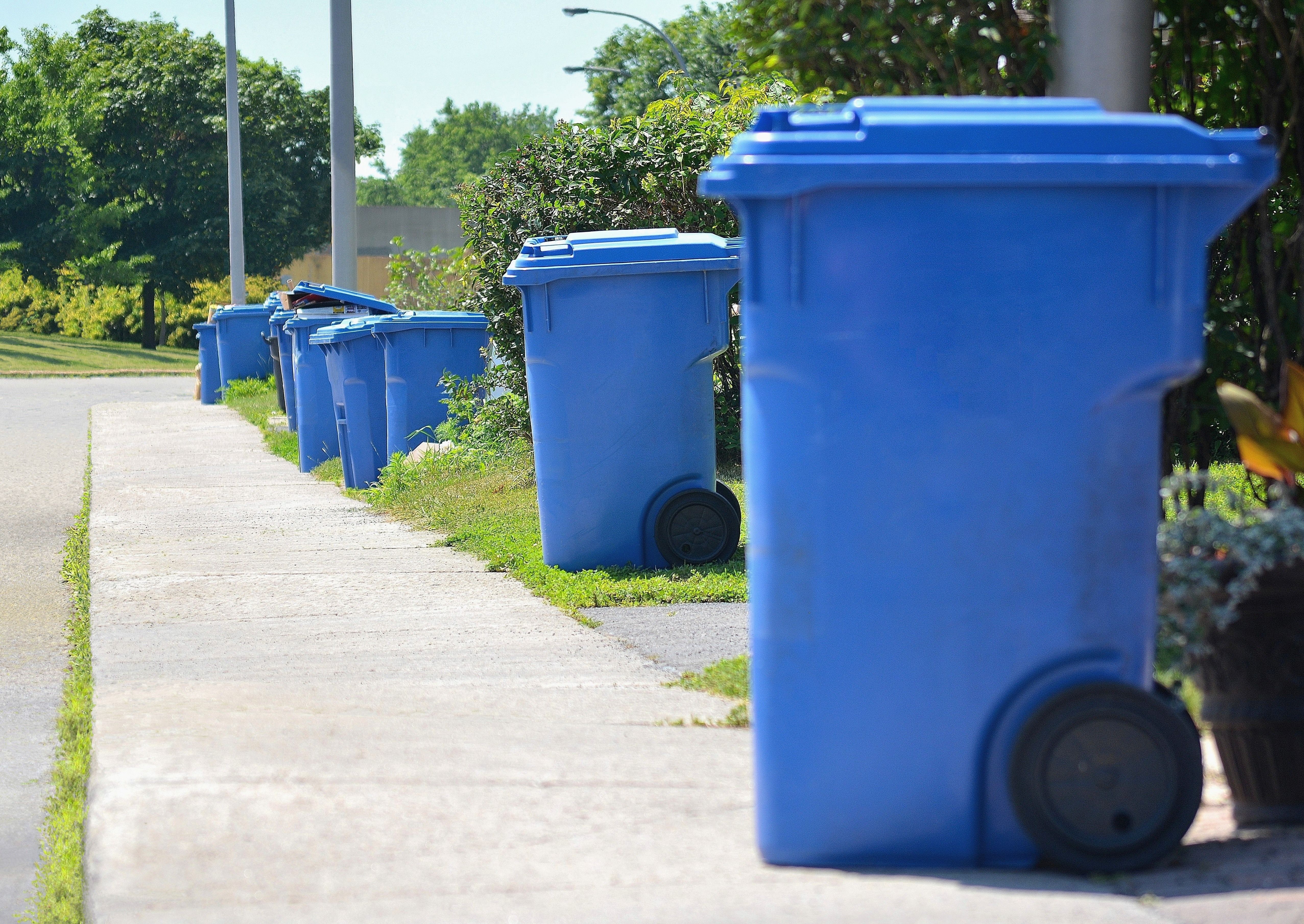
Once you categorize your waste, implementing safe disposal methods is crucial. For household waste, utilize local waste collection services and follow community guidelines. Many municipalities offer recycling programs and provide bins for sorting materials like paper, plastics, and metals. Participating in these programs supports recycling efforts and helps reduce landfill usage.
For hazardous waste, never dispose of these items in regular trash. Instead, look for designated waste collection events or facilities that specialize in handling hazardous materials. Proper disposal prevents harmful chemicals from leaching into the soil and water, protecting both health and the environment.
Handling Electronic Waste Responsibly
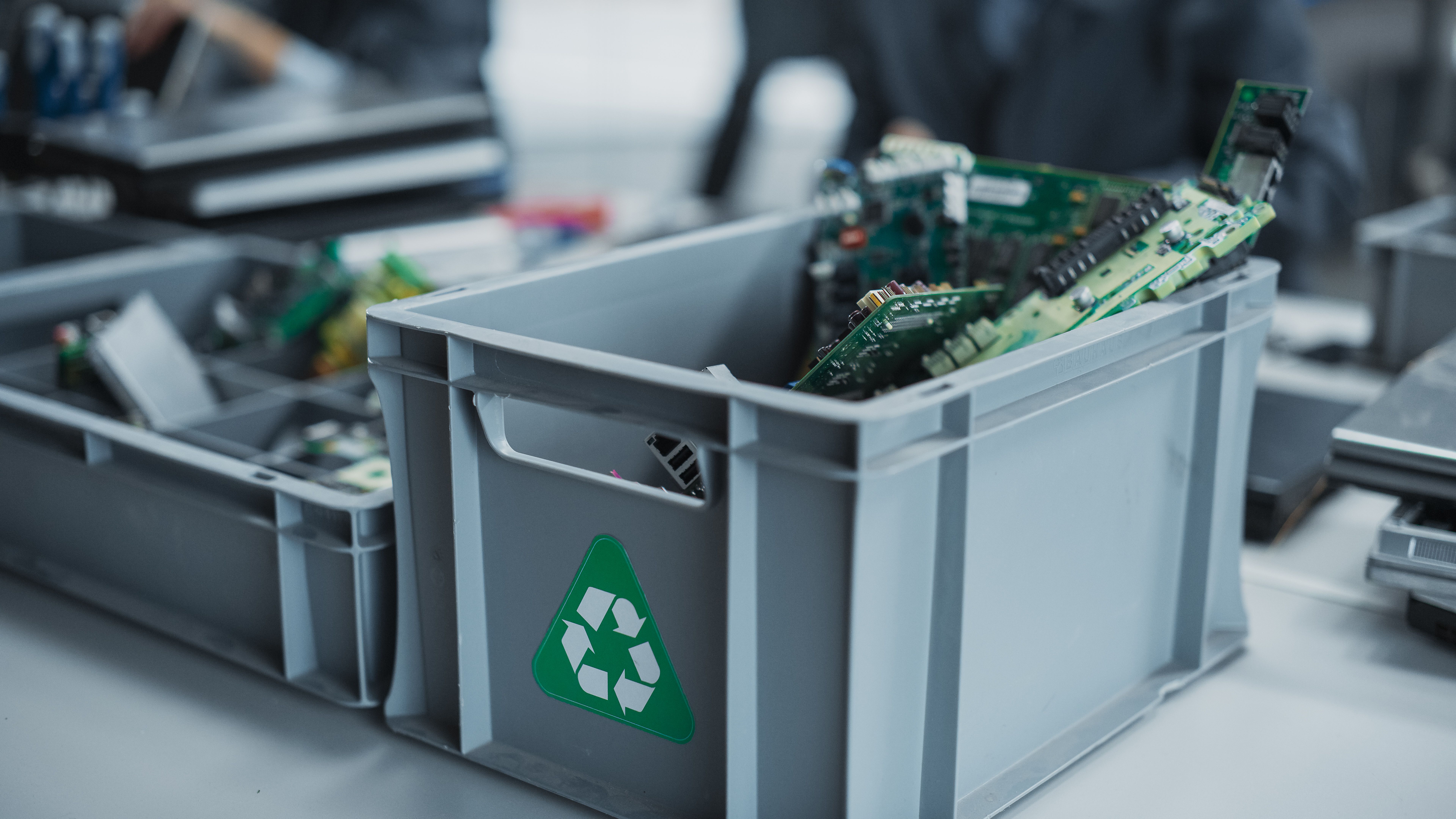
Electronic waste requires special attention due to its complex components and potential toxins. Many electronics retailers offer take-back programs or recycling services to help consumers dispose of e-waste responsibly. Additionally, some communities host e-waste collection events, making it convenient to get rid of old gadgets safely.
Before disposing of electronic devices, ensure that all personal data is removed. Many manufacturers provide guidelines for data wiping, or you can use specialized software to securely erase information. This precaution protects your privacy and prevents unauthorized access to sensitive data.
Benefits of Composting
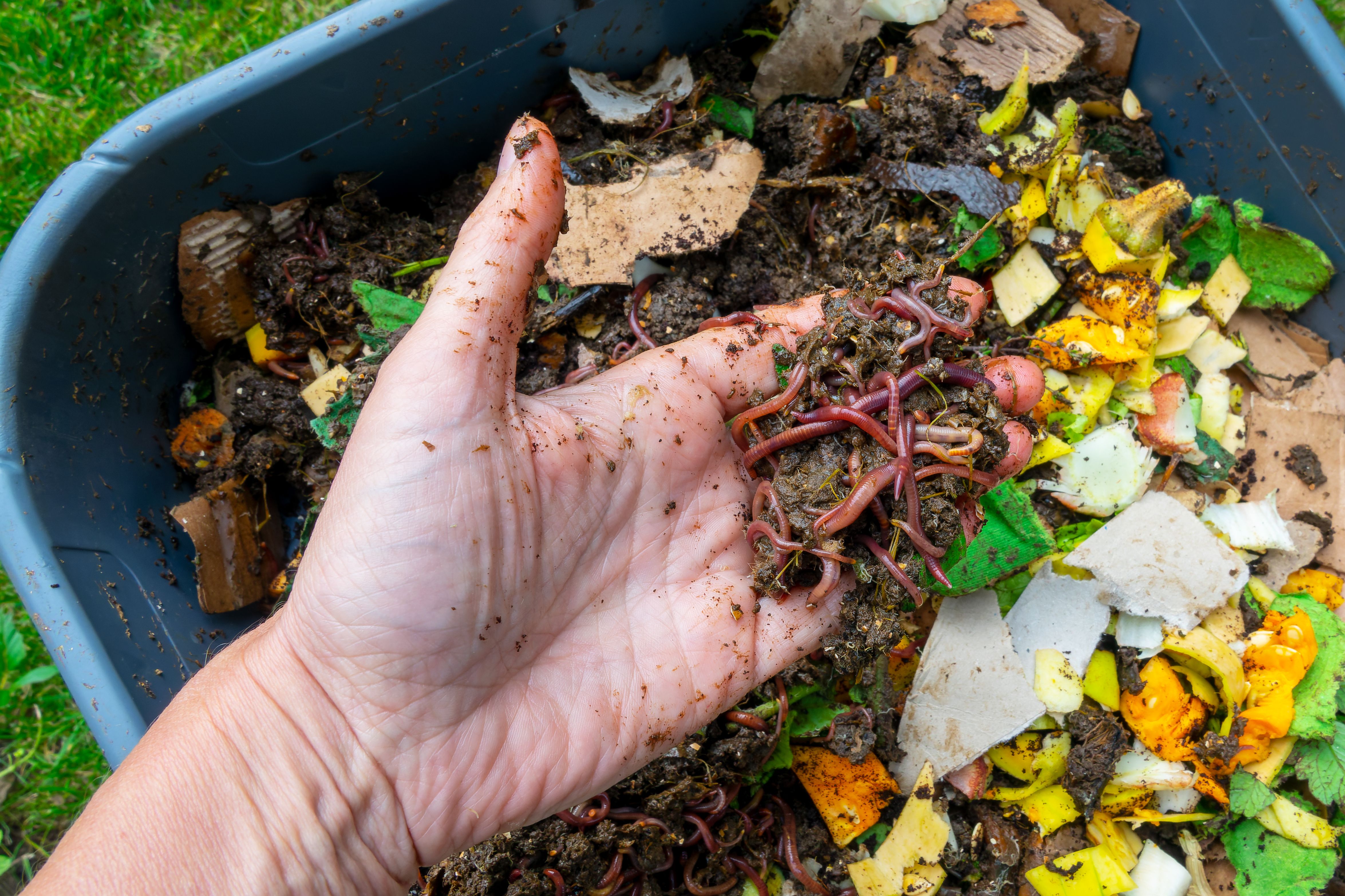
Composting is an excellent method for disposing of organic waste, such as food scraps and yard debris. By composting, you transform waste into valuable fertilizer that can enrich garden soil. This process reduces the volume of waste sent to landfills and lowers greenhouse gas emissions, contributing to a more sustainable environment.
Starting a compost pile or bin at home is relatively simple. Begin by collecting organic waste and layering it with materials like leaves or straw. Over time, natural decomposition will occur, resulting in nutrient-rich compost ready for use in gardens and landscaping.
Adopting Sustainable Practices
Beyond disposal, adopting sustainable practices can minimize waste generation. Simple actions, such as reducing single-use items, reusing containers, and opting for products with minimal packaging, significantly impact waste reduction. Consider purchasing in bulk to cut down on packaging waste or investing in reusable items like water bottles and shopping bags.
Educating yourself and others about the importance of waste reduction and proper disposal is also vital. Sharing tips and resources within your community fosters a collective effort toward a cleaner, more sustainable future.