
Expert Insights: The Future of Demolition with Sustainable Practices
Introduction to Sustainable Demolition
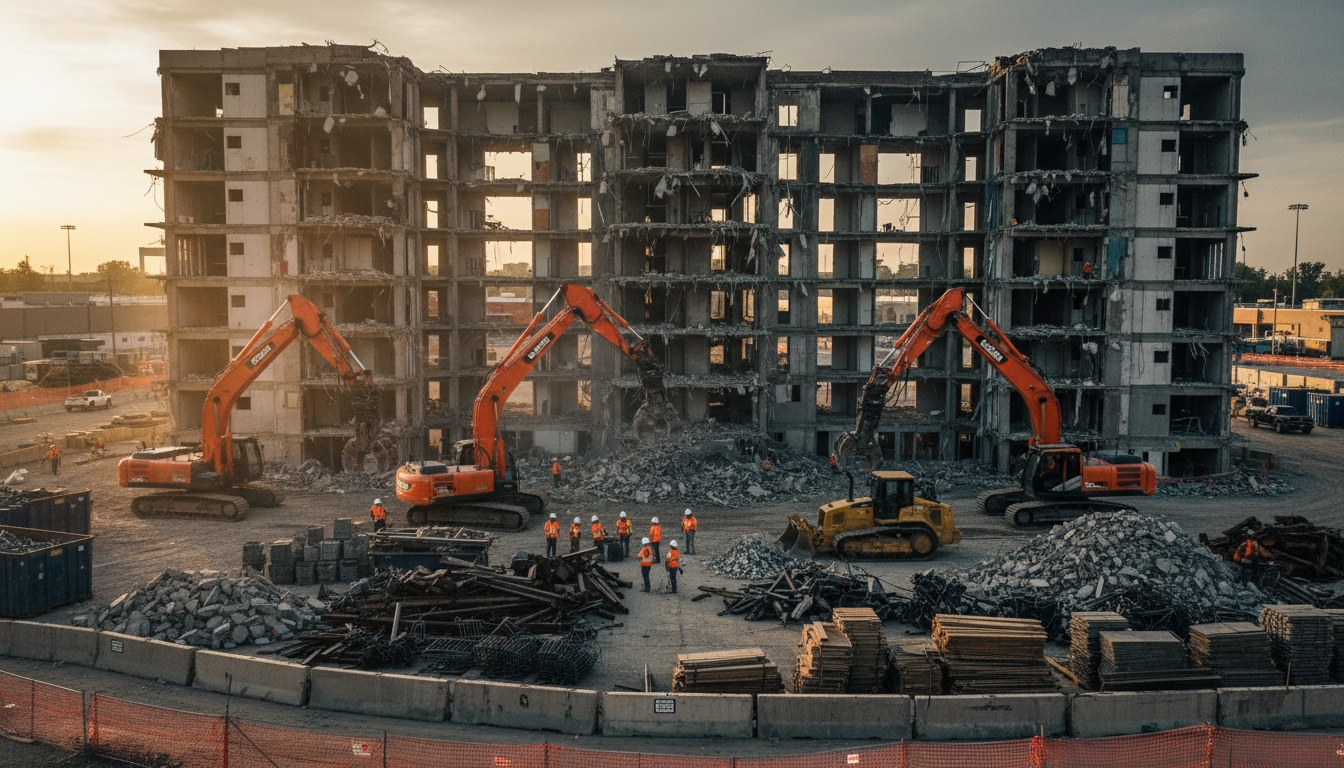
The demolition industry is undergoing a transformative shift as it embraces sustainable practices. With growing environmental concerns and stricter regulations, companies are now focusing on minimizing their ecological footprint while dismantling structures. This change is not just beneficial for the planet but also opens up new avenues for innovation and efficiency.
Incorporating sustainable methods in demolition involves careful planning and execution. Industry experts are now prioritizing techniques that reduce waste, conserve resources, and promote recycling. This approach is reshaping the future of demolition, paving the way for eco-friendly construction practices.
Key Sustainable Practices in Demolition
Deconstruction Over Demolition
One of the most significant shifts in sustainable practices is the preference for deconstruction over traditional demolition. Deconstruction involves dismantling structures in a way that preserves materials for reuse. This method not only reduces waste but also allows for the salvaging of valuable materials like timber, metals, and fixtures.
Utilizing deconstruction can lead to a substantial reduction in landfill contributions and provides an opportunity to repurpose materials in new construction projects. This holistic approach is gaining traction among builders and environmentalists alike.

Recycling and Reuse
Recycling plays a pivotal role in sustainable demolition. By sorting and processing materials, companies can significantly reduce the amount of waste sent to landfills. Commonly recycled materials include concrete, metals, and wood. These materials can be used in new projects, reducing the need for new resources and lowering overall costs.
Moreover, the reuse of materials is becoming increasingly popular. Items such as doors, windows, and fixtures are often in excellent condition and can be used in future projects, offering both economic and environmental benefits.

Technological Advancements in Sustainable Demolition
Innovative Tools and Machinery
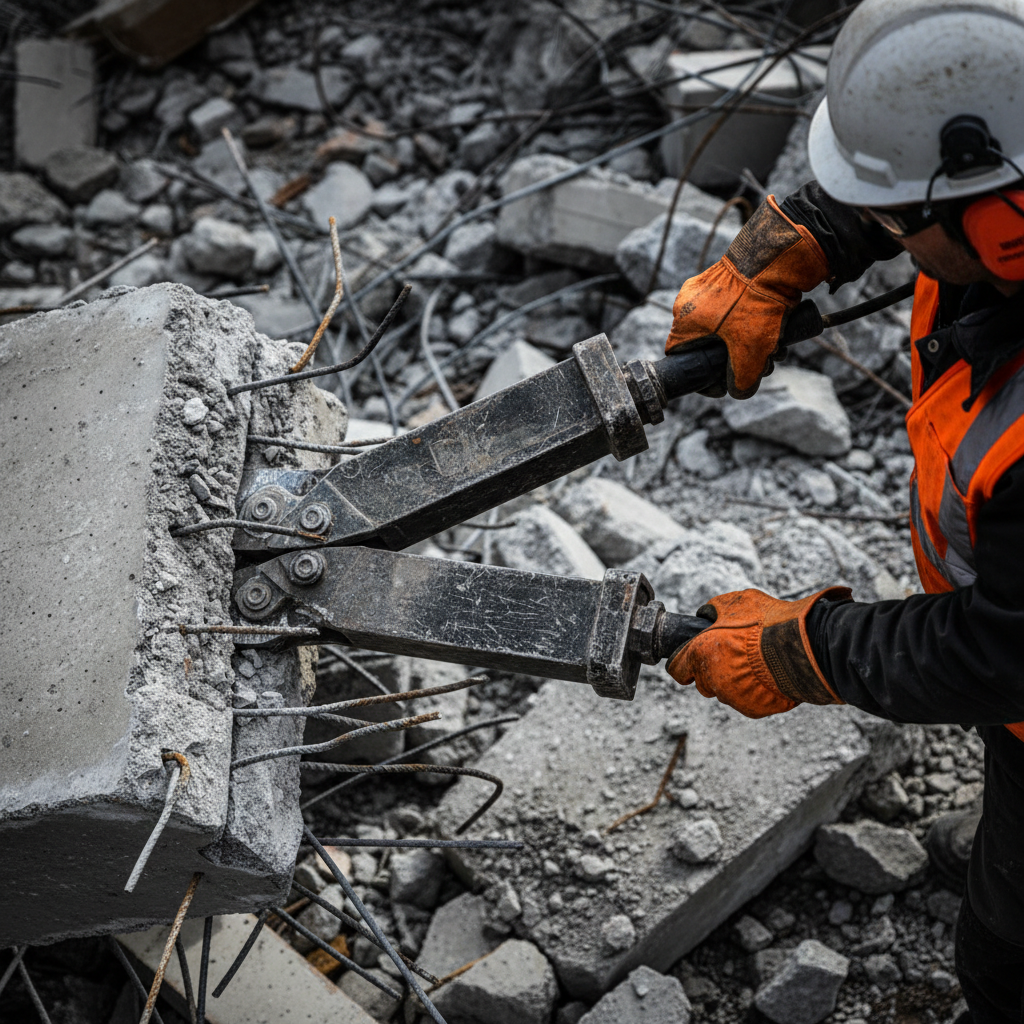
Technological advancements are playing a crucial role in promoting sustainable demolition practices. Modern machinery is now equipped with features that enhance precision and efficiency, allowing for the careful dismantling of structures. These tools not only streamline operations but also minimize waste production.
For instance, advanced sorting technologies help in segregating materials on-site, making recycling processes more efficient. This innovation supports the goal of achieving zero waste in demolition projects, a vision that many companies are striving to attain.
Data-Driven Decisions
Utilizing data analytics is another trend shaping the future of sustainable demolition. Companies are leveraging data to make informed decisions about project planning and execution. This includes analyzing the potential for material reuse, estimating waste generation, and optimizing resource allocation.
By adopting a data-driven approach, demolition companies can enhance their sustainability efforts, reduce costs, and improve project outcomes. This strategic use of information is becoming a cornerstone of modern demolition practices.
The Benefits of Sustainable Demolition
The shift towards sustainable demolition practices offers numerous benefits. Environmental impact is significantly reduced as less waste is generated and more materials are recycled or reused. This contributes to a healthier planet and aligns with global sustainability goals.
Additionally, adopting sustainable methods can lead to cost savings. Reusing materials reduces the need for new resources, and efficient processes minimize operational expenses. Companies that embrace these practices are also seen as industry leaders, enhancing their reputation and appeal to environmentally conscious clients.
As the demolition industry continues to evolve, sustainable practices will undoubtedly play a central role in shaping its future. By prioritizing eco-friendly methods, companies can not only meet regulatory requirements but also lead the way in building a more sustainable world.