
Expert Advice: Eco-Friendly Demolition Practices You Should Know
Why Eco-Friendly Demolition Matters
As the construction industry continues to evolve, there's an increasing emphasis on sustainability and eco-friendly practices. Traditional demolition methods can have significant environmental impacts, including waste generation and resource depletion. By adopting eco-friendly demolition practices, businesses can minimize their carbon footprint and contribute to a more sustainable future.

Key Principles of Eco-Friendly Demolition
To effectively implement eco-friendly demolition, it's essential to focus on several key principles. These include reducing waste, reusing materials, and recycling whenever possible. By focusing on these principles, construction companies can significantly reduce the environmental impact of their demolition projects.
Reducing Waste
One of the primary goals of eco-friendly demolition is to minimize waste. This can be achieved by conducting a thorough assessment before starting the demolition process. By identifying materials that can be salvaged or recycled, companies can reduce the amount of waste sent to landfills.
Reusing Materials
Reusing materials is another crucial aspect of eco-friendly demolition. Items like bricks, windows, and doors can often be reused in other projects. By carefully dismantling structures, companies can preserve these materials for future use, which helps save resources and reduce environmental impact.

Recycling: A Cornerstone of Eco-Friendly Demolition
Recycling plays a significant role in eco-friendly demolition practices. Materials such as metal, wood, and concrete can be recycled and repurposed, reducing the need for new resources. Establishing partnerships with recycling centers can streamline this process and ensure that maximum materials are recycled.
Concrete Recycling
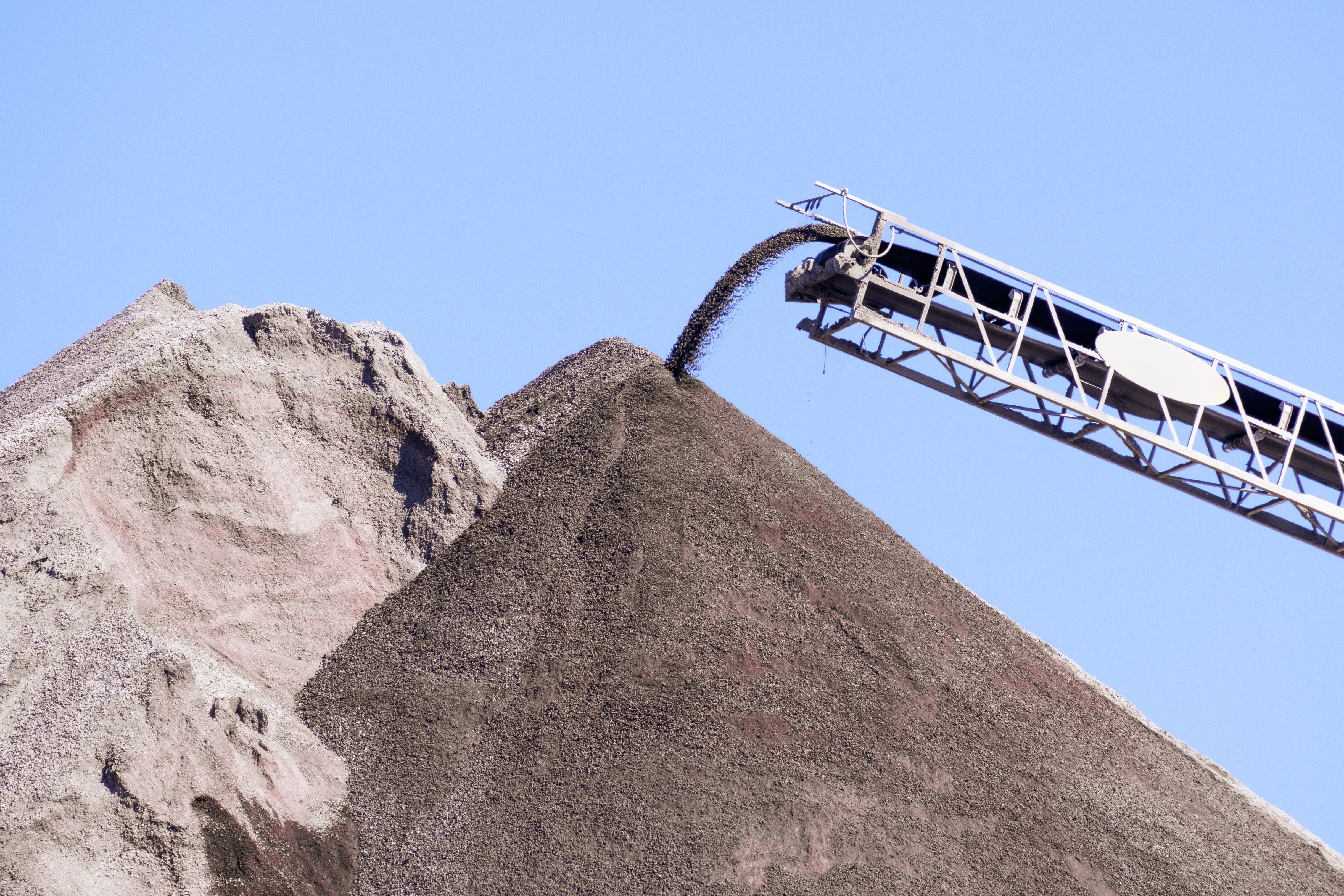
Concrete is one of the most common materials used in construction, and recycling it can have substantial environmental benefits. Recycled concrete can be used as aggregate in new construction, reducing the need for virgin materials.
Metal and Wood Recycling
Metals and wood are also valuable materials that can be recycled. Metals can be melted down and reused in new products, while wood can be repurposed for other construction projects or converted into mulch or biomass fuel.
Implementing Eco-Friendly Practices
To ensure successful implementation of eco-friendly demolition, companies should develop a comprehensive plan that includes waste management and recycling strategies. Training employees on sustainable practices and investing in the right tools and technologies can also make a significant difference.
By incorporating these practices, businesses not only contribute to environmental sustainability but also often realize cost savings and improved project efficiency. As the construction industry continues to prioritize sustainability, eco-friendly demolition practices will become increasingly important.