
DIY Asbestos Inspection Tips: What You Can Do Before Calling the Experts
Asbestos is a potentially hazardous material that was commonly used in building construction before the 1980s. If your home was built during or before this time, there's a chance it could contain asbestos. While it’s always recommended to have a professional inspection, there are some DIY steps you can take to assess the situation before calling in the experts.
Understanding Asbestos
Before you begin any inspection, it's crucial to understand what asbestos is and why it’s dangerous. Asbestos fibers, when disturbed, can become airborne and, if inhaled, lead to serious health issues such as lung cancer and mesothelioma. Therefore, identifying potential asbestos-containing materials (ACMs) in your home is an essential first step.
Identifying Potential ACMs
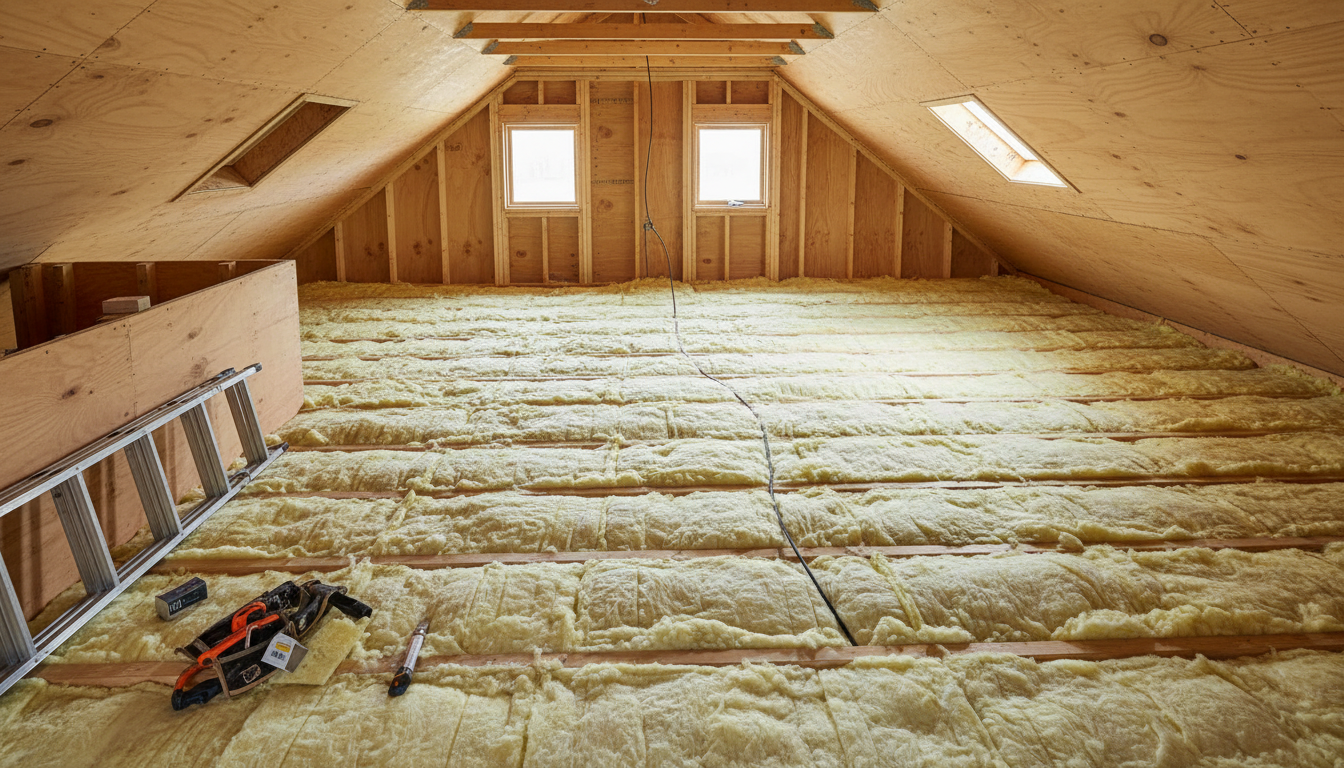
Common materials that may contain asbestos include insulation, floor tiles, roofing shingles, and textured paints. When inspecting your home, look for signs of wear and tear on these materials, as damaged areas are more likely to release fibers.
Visual Inspection Tips
A thorough visual inspection can help determine if further testing is needed. Here are some tips:
- Inspect Attics and Basements: Check for old insulation materials that may contain asbestos.
- Examine Walls and Ceilings: Look for textured coatings or old paint that may contain asbestos.
- Review Flooring: Pay attention to older vinyl tiles and adhesive backing.
Safety Precautions
When performing a DIY inspection, always prioritize safety:
- Avoid Disturbing Materials: Do not touch or move any suspect materials.
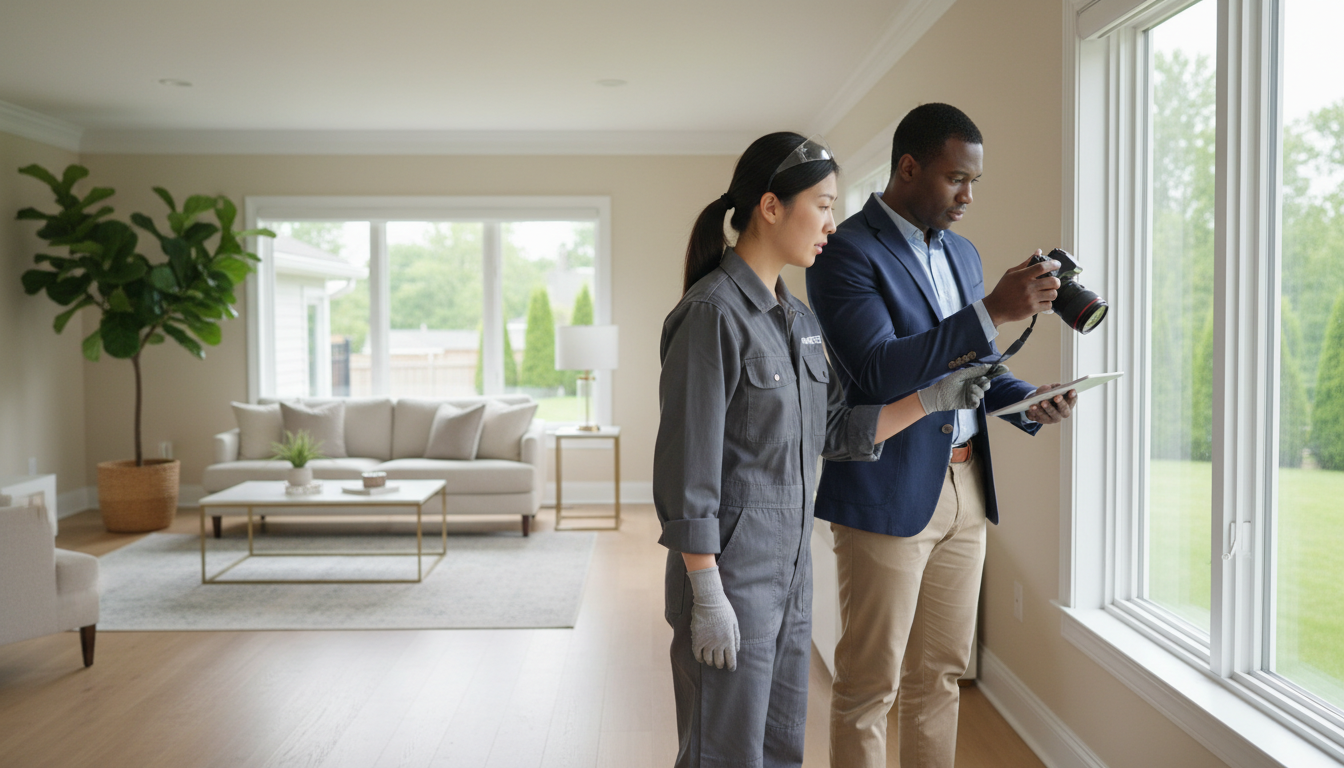
- Wear Protective Gear: Use a mask and gloves to minimize exposure to potential fibers.
- Ensure Proper Ventilation: Keep the area well-ventilated to reduce the concentration of any airborne fibers.
Document Your Findings
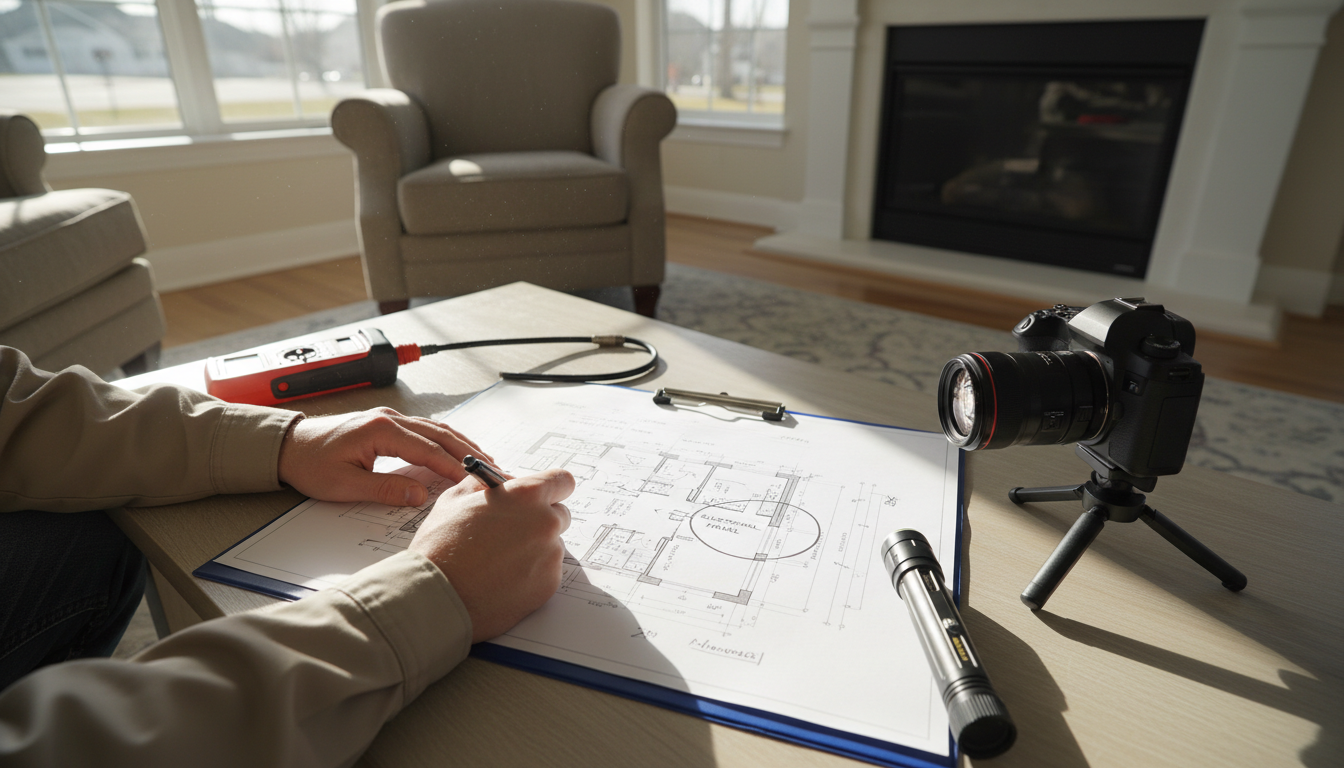
Keep a detailed record of your observations. Take notes and photographs of suspected areas, and make a list of materials that might contain asbestos. This documentation can be extremely helpful for professionals when they conduct their assessment.
When to Call the Experts
Even if you’ve conducted a thorough DIY inspection, it’s crucial to have a professional confirm your findings. Contact an accredited asbestos inspection service if you suspect the presence of asbestos. Professional inspectors can take samples safely and provide a definitive analysis.
Final Thoughts
While a DIY asbestos inspection can be a valuable first step, it should never replace professional analysis. By understanding what to look for and taking proper safety precautions, you can prepare your home for a professional inspection and ensure the safety of your living environment.