
Demystifying Asbestos: Common Misconceptions and Facts
Understanding Asbestos
Asbestos is a naturally occurring mineral that has been used in various industries for its heat-resistant and insulating properties. Despite its beneficial uses, asbestos is infamous for its health risks. Over the years, several misconceptions have clouded public understanding of asbestos, making it crucial to separate fact from fiction.

Myth: Asbestos is Banned Everywhere
Many people believe that asbestos is banned worldwide. However, this is not the case. While many countries have strict regulations or bans on asbestos use, others still allow its controlled use. It's important to be aware of the regulations specific to your region.
In the United States, for example, asbestos is not completely banned but is highly regulated. This means that while certain products containing asbestos are prohibited, others may still be legally manufactured and used.
Fact: Asbestos is Dangerous When Disturbed
A common misconception is that asbestos is always dangerous. In reality, asbestos poses health risks primarily when its fibers become airborne and are inhaled. This typically occurs when asbestos-containing materials are disturbed during renovation, demolition, or improper handling.

When left undisturbed and in good condition, asbestos-containing materials generally do not pose a significant health risk. However, it's crucial to manage them carefully to prevent exposure.
Myth: Only Certain People Are at Risk
While it's true that construction workers and those in similar professions have a higher risk of exposure due to the nature of their work, asbestos can affect anyone. Homeowners, office workers, and even school children can be at risk if they come into contact with disturbed asbestos-containing materials.
- Renovating an old building without proper precautions.
- Lack of awareness about existing asbestos-containing materials.
- Improper disposal of asbestos waste.
Fact: Professional Removal is Essential
Attempting to remove asbestos yourself can be extremely dangerous. Professionals are trained to handle and dispose of asbestos safely, minimizing the risk of fiber release. Always consult with a certified asbestos abatement contractor when dealing with suspected asbestos materials.
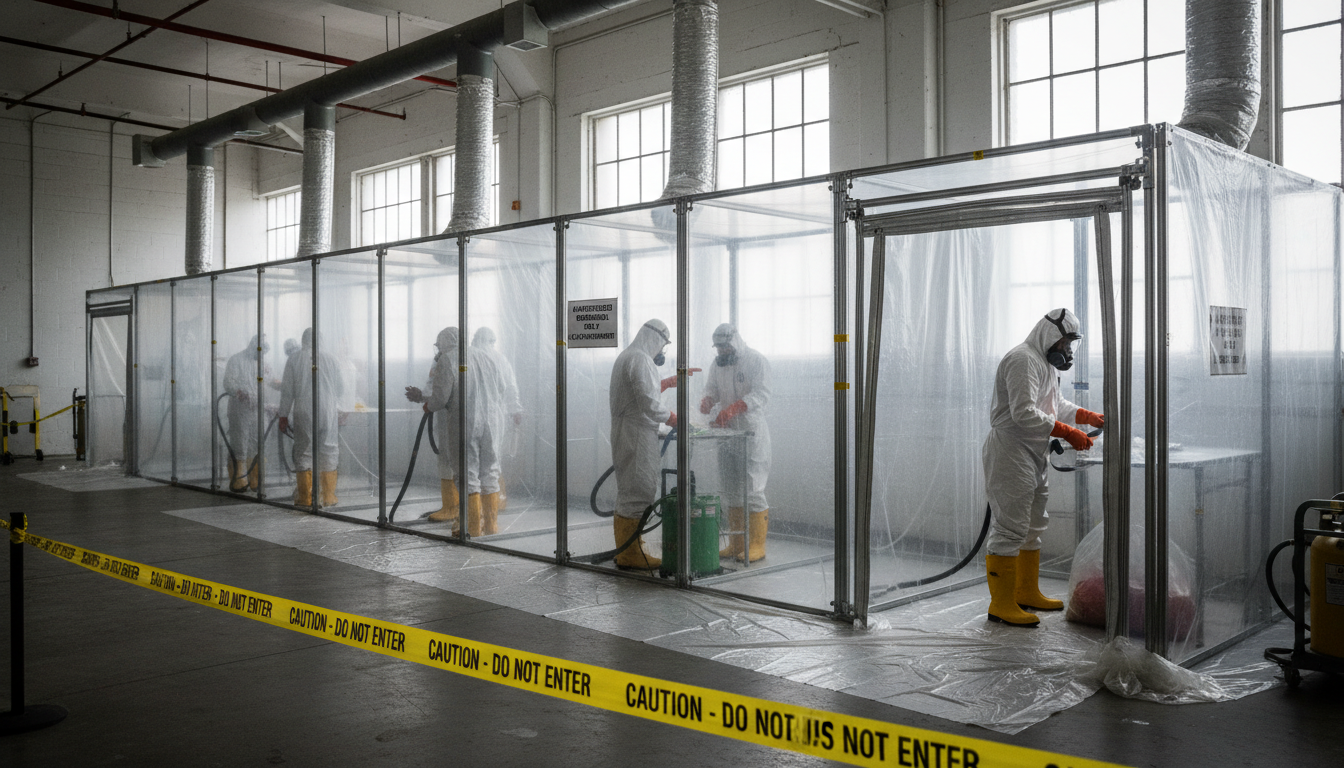
Professional removal ensures that the area is thoroughly cleaned and that proper safety measures are followed, protecting you and those around you.
Conclusion: Stay Informed and Safe
Understanding the facts about asbestos is crucial for ensuring safety. By dispelling myths and embracing accurate information, we can make informed decisions about handling and interacting with asbestos materials. Always prioritize safety and consult experts when in doubt.