
Demolition Myths Debunked: What Really Happens Behind the Scenes
Demolition is often seen as a chaotic and destructive process, but in reality, it involves meticulous planning and precision. Many myths surround this industry, leading to misunderstandings about what actually happens. Here, we'll debunk some common myths and reveal the truth behind the scenes of demolition.
Myth 1: Demolition is Purely Destructive
Contrary to popular belief, demolition is not just about destroying buildings. It's a carefully orchestrated process that involves planning, safety measures, and environmental considerations. Specialists assess the structure, determine the best methods, and ensure the safety of the surrounding area. This is why projects often take weeks or months to prepare before any physical work begins.
The Planning Stage
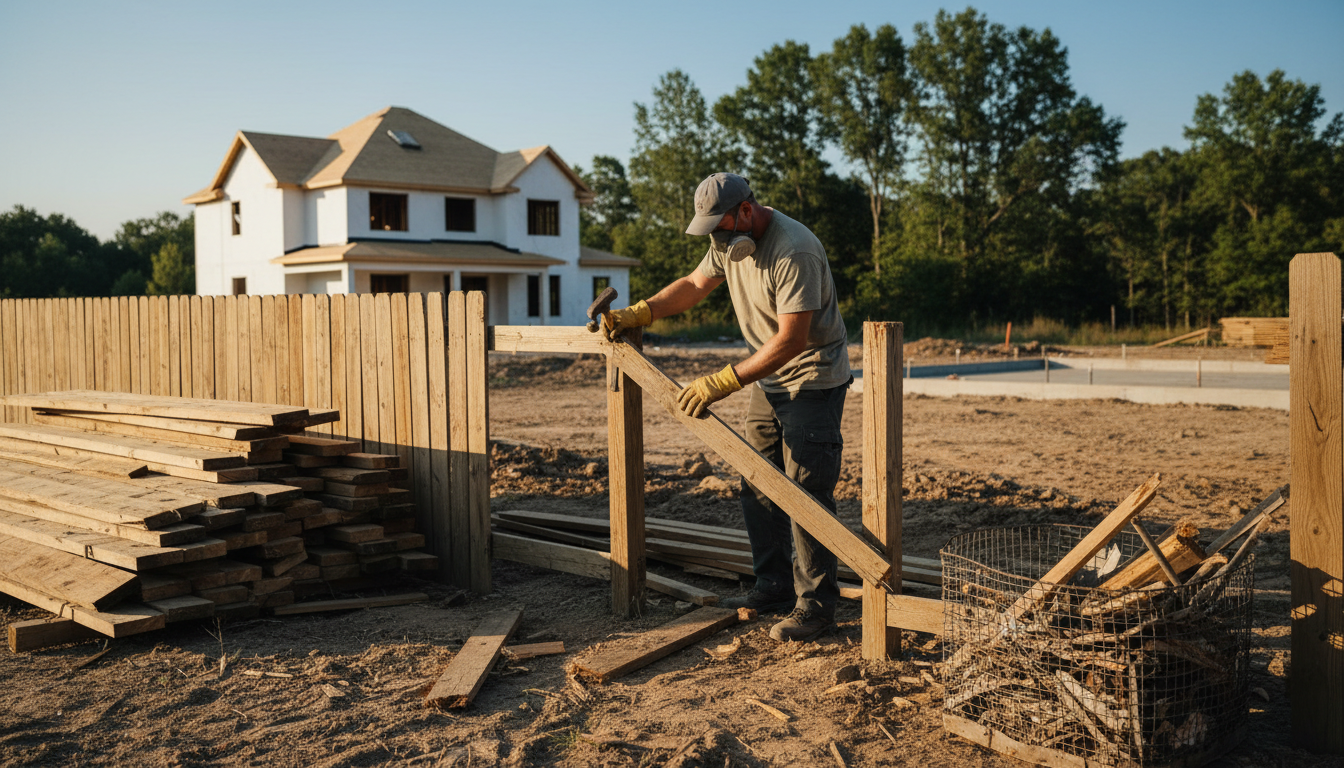
Before any demolition takes place, a detailed plan is crafted. This includes structural assessments, environmental impact studies, and safety protocols. Experts also coordinate with local authorities to comply with regulations and obtain necessary permits.
Myth 2: Demolition is Dangerous and Uncontrolled
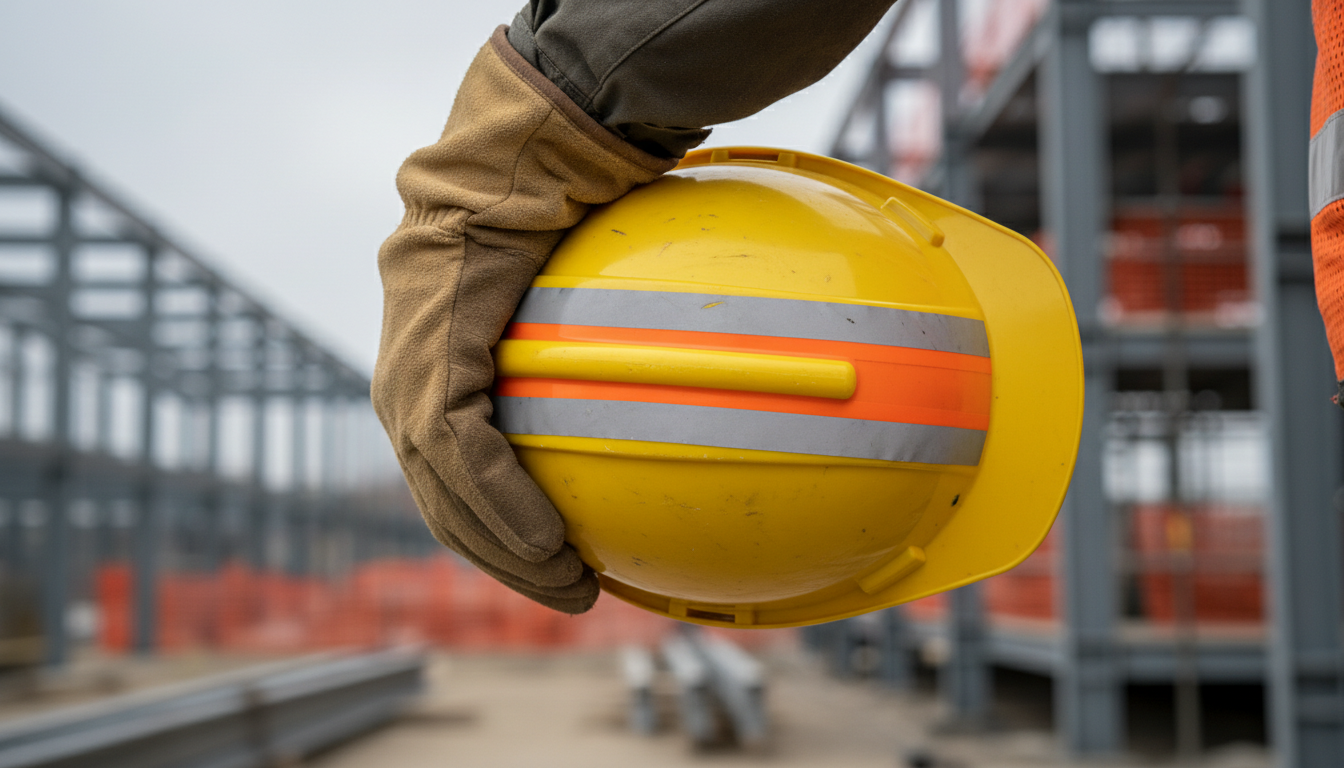
While it might seem hazardous, demolition is conducted under strict safety guidelines. Workers are trained to handle complex machinery, and safety gear is mandatory. The use of technology and precise techniques minimizes risks, ensuring that the process is as controlled as possible.
Advanced Techniques
Modern demolition uses advanced methods such as implosion, robotic demolition, and selective dismantling. These techniques allow for greater control and precision, reducing the likelihood of accidents and environmental impact.
Myth 3: Demolition is Environmentally Harmful
It's a common misconception that demolition is environmentally detrimental. In reality, the industry has made significant strides in sustainability. Many companies prioritize recycling materials, reducing waste, and minimizing their carbon footprint.

Sustainable Practices
Materials like steel, concrete, and wood are often salvaged and reused in new construction projects. This not only conserves resources but also reduces landfill waste. Demolition teams also work to minimize dust and noise pollution, further protecting the environment.
Myth 4: Demolition is a One-Size-Fits-All Process
Each demolition project is unique and requires a tailored approach. Factors like building materials, location, and purpose influence the methods used. Professionals craft bespoke strategies to address the specific needs of each job, ensuring efficiency and safety.
Customized Solutions
From small residential properties to large industrial complexes, demolition teams adapt their techniques to suit the task at hand. This flexibility is key to successful and safe operations, highlighting the expertise required in the field.
Understanding the intricacies of demolition dispels many myths and showcases the skill and precision involved. As the industry continues to evolve, it embraces innovation and sustainability, proving that it's not just about bringing buildings down, but also building a better future.