
Debunking Common Myths About Asbestos Abatement
Understanding Asbestos Abatement
Asbestos abatement is a critical process aimed at removing or minimizing the health risks associated with asbestos exposure. Despite its importance, there are many myths surrounding asbestos abatement that can cause confusion and fear. In this post, we'll debunk some of the most common misconceptions.
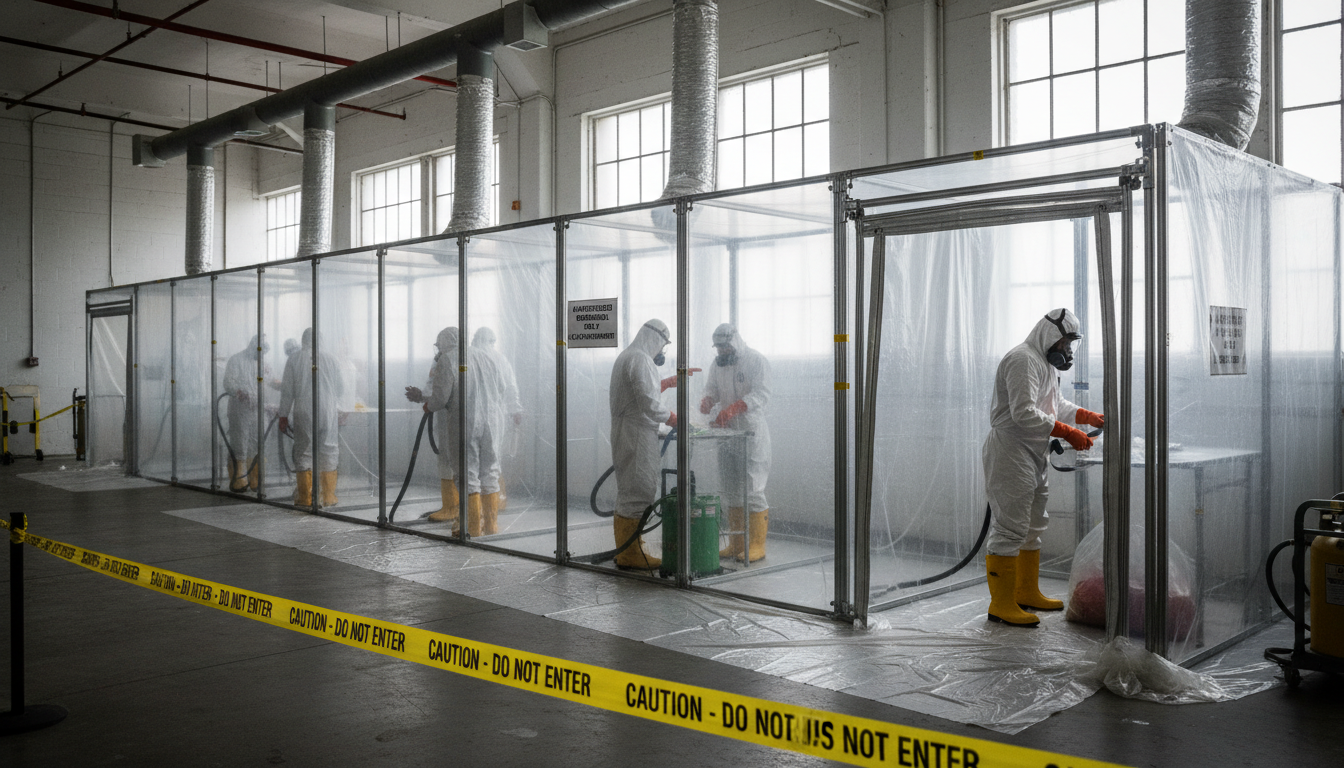
Myth 1: Asbestos is a Problem of the Past
One of the most prevalent myths is that asbestos is no longer a concern. While it's true that asbestos use has declined significantly, it can still be found in many older buildings. Homes built before the 1980s often contain asbestos in materials like insulation, floor tiles, and roofing. Therefore, asbestos abatement remains relevant and necessary.
Myth 2: DIY Asbestos Removal is Safe
Some homeowners believe they can handle asbestos removal on their own. However, this is a dangerous misconception. Asbestos fibers are hazardous when disturbed, and improper handling can lead to serious health issues. It's crucial to hire certified professionals who have the expertise and equipment to safely manage asbestos abatement.

Myth 3: Asbestos Abatement is Too Expensive
Cost concerns often deter people from pursuing asbestos abatement. While the process can be costly, the price of ignoring asbestos-related risks is much higher. Professional abatement ensures safety and compliance with regulations, potentially saving money on future health and legal costs.
Myth 4: All Asbestos Needs Immediate Removal
Another common myth is that all asbestos must be removed immediately. In some cases, asbestos-containing materials that are in good condition can be left undisturbed. Professional assessment determines whether removal is necessary or if the material can be safely managed in place.
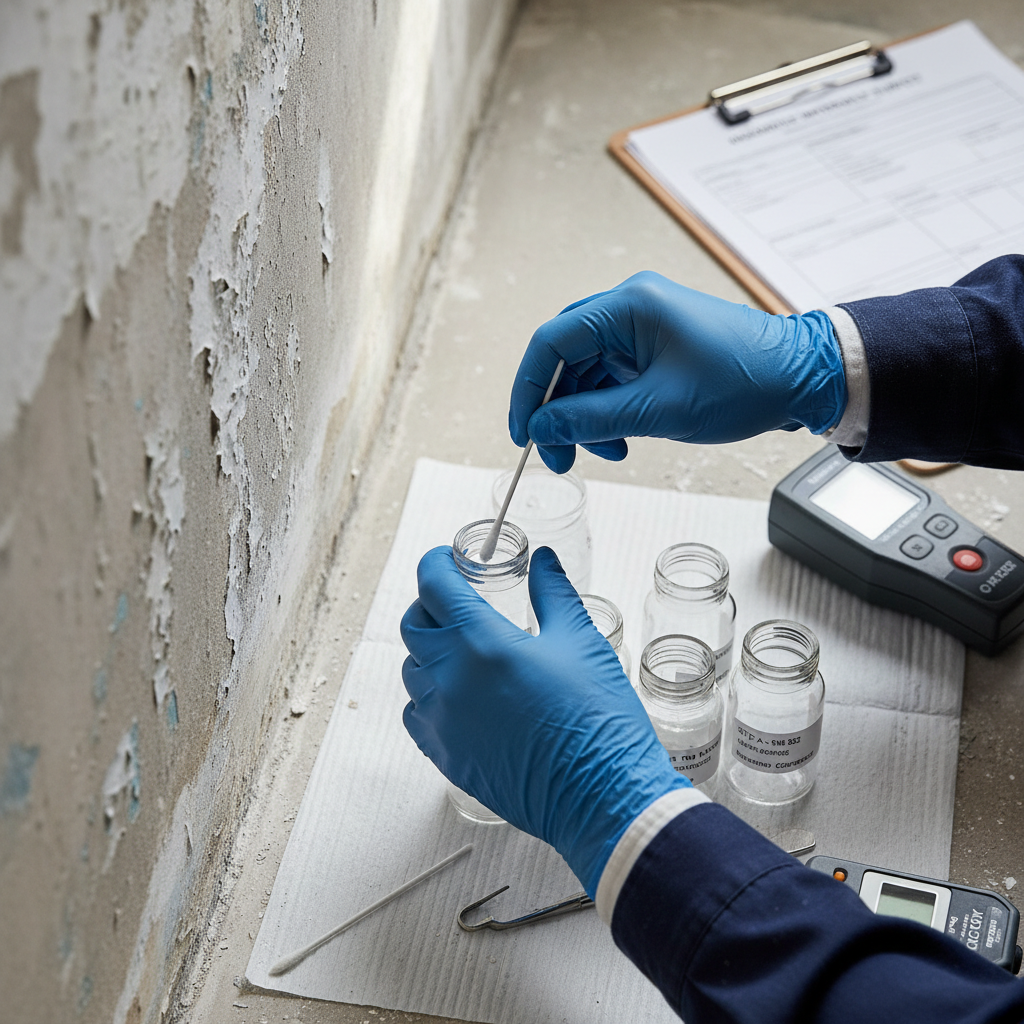
The Importance of Professional Assessment
A professional evaluation is essential in determining the best course of action for asbestos management. Certified inspectors can assess the condition of asbestos-containing materials and recommend appropriate abatement strategies.
Steps in the Asbestos Abatement Process
Understanding the abatement process can alleviate concerns. Generally, it involves several key steps:
- Inspection: Identifying asbestos-containing materials.
- Containment: Sealing off the area to prevent fiber release.
- Removal: Safely extracting and disposing of asbestos materials.
- Decontamination: Cleaning the area to ensure safety.
- Final Inspection: Verifying that the area is asbestos-free.
Conclusion: Making Informed Decisions
Educating yourself about asbestos abatement can help you make informed decisions about your property. By debunking these myths, we hope to provide clarity and encourage safe practices. Remember, when it comes to asbestos, professional guidance is invaluable.