
Comprehensive Guide to Asbestos Inspection: What Homeowners Need to Know
Understanding Asbestos and Its Risks
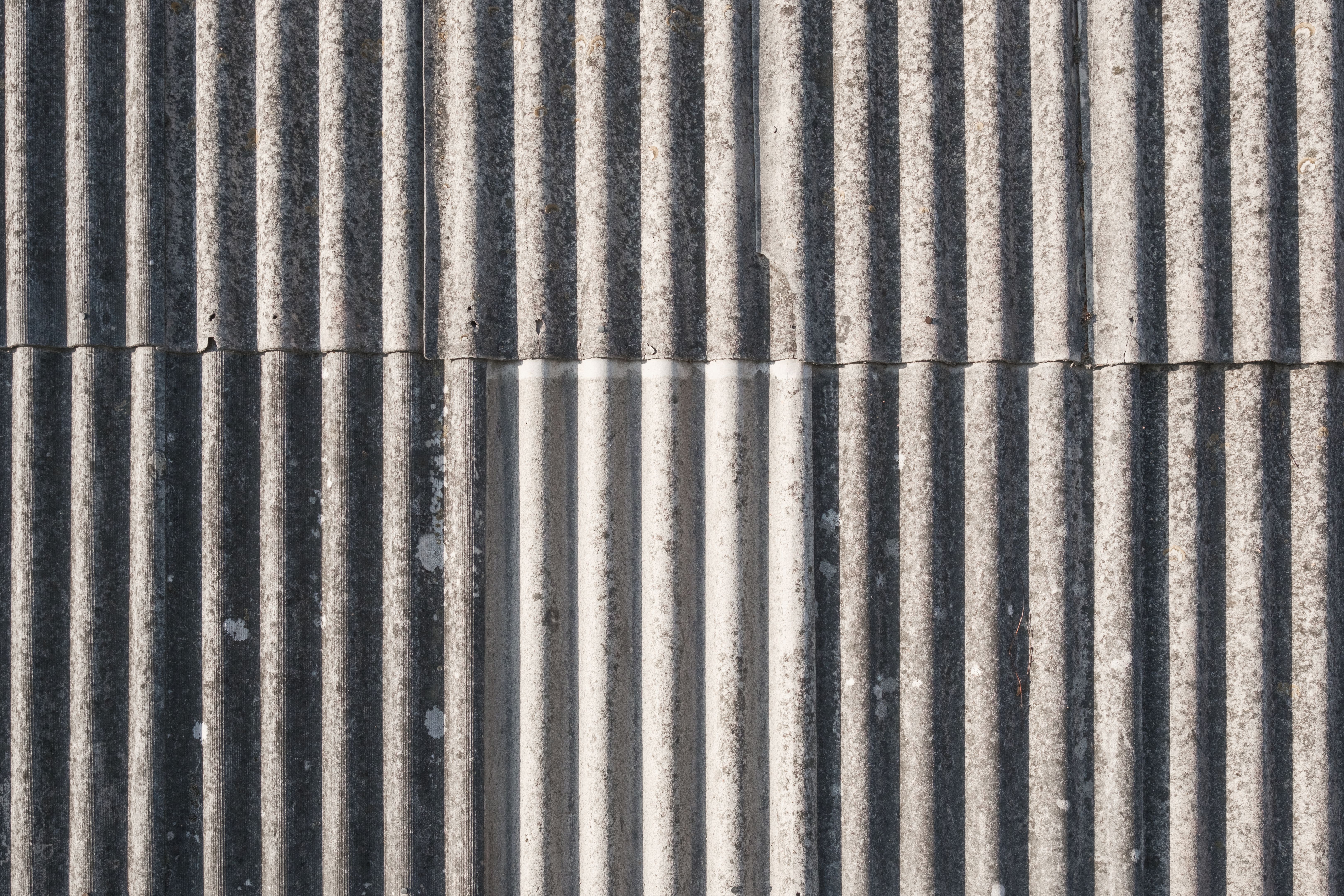
Asbestos is a naturally occurring mineral that was widely used in building materials due to its durability and resistance to heat. However, it poses serious health risks when fibers become airborne and are inhaled. Prolonged exposure can lead to diseases such as asbestosis, lung cancer, and mesothelioma.
Why Asbestos Inspection is Crucial
For homeowners, understanding the presence of asbestos in their property is essential. An inspection can identify materials and locations where asbestos may be present, helping prevent health risks. If your home was built before the 1980s, chances are higher that asbestos-containing materials (ACMs) are present.
When to Consider an Inspection
Consider scheduling an asbestos inspection if you plan to renovate or demolish your home, as disturbing ACMs can release harmful fibers into the air. Additionally, if you notice damaged building materials like insulation, ceiling tiles, or floor tiles, it’s wise to have them checked by a professional.

The Asbestos Inspection Process
An asbestos inspection is a systematic process conducted by a certified professional. Here’s what typically happens during an inspection:
- Visual Assessment: The inspector will conduct a thorough visual examination of your property to identify potential ACMs.
- Sample Collection: If needed, small samples of materials will be collected for laboratory analysis to confirm the presence of asbestos.
- Risk Evaluation: The inspector will evaluate the condition of ACMs and assess the risk of exposure.
Finding the Right Professional
Hiring a qualified professional is crucial for accurate results. Look for inspectors who are accredited by national or regional organizations. Verify their credentials and experience in handling asbestos inspections. Reviews and recommendations can also provide insight into their reliability.

Post-Inspection Steps
Once your inspection is complete, the inspector will provide a detailed report outlining their findings. If asbestos is present, you’ll need to decide on a course of action. Options include:
- Encapsulation: Sealing the asbestos-containing materials to prevent fiber release.
- Removal: Hiring a licensed professional to safely remove the asbestos.
- Monitoring: Regularly checking the condition of ACMs to ensure they remain intact.
Maintaining a Safe Home Environment
If asbestos is left in place, ensure you monitor its condition regularly. Avoid activities that could disturb the materials, such as drilling or sanding. Educate your family on the importance of avoiding contact with potential ACMs.
Conclusion
Asbestos inspection is a crucial step in maintaining a safe home environment. By understanding the risks and taking appropriate action, homeowners can protect their families from the dangers of asbestos exposure. Don’t hesitate to consult with a professional if you suspect the presence of asbestos in your home.