
Comprehensive Guide to Asbestos Abatement: What You Need to Know
Asbestos abatement is a crucial process in ensuring the safety and health of individuals who may be exposed to this hazardous material. Understanding the steps involved and the importance of professional handling is key to effective asbestos management.
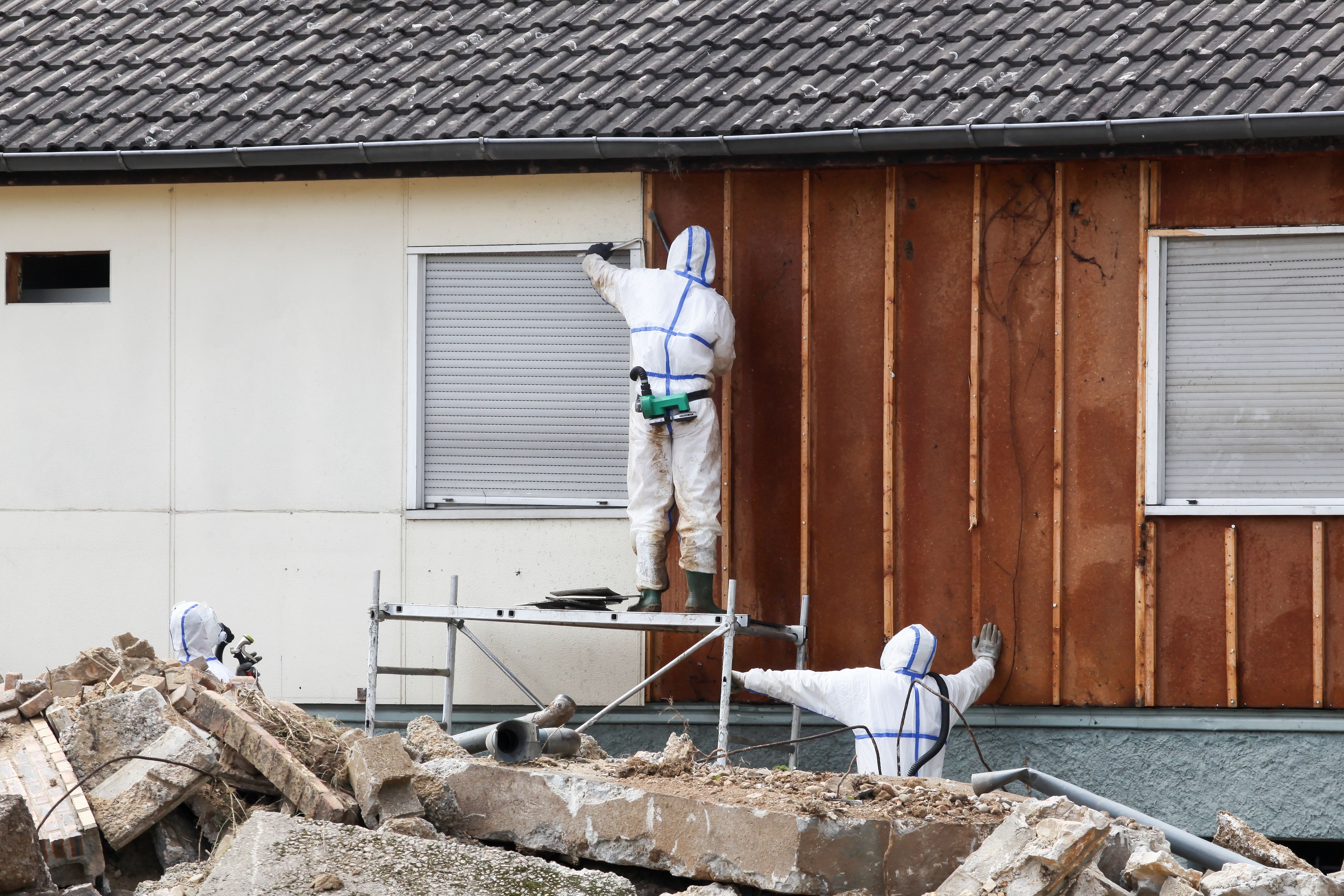
What is Asbestos?
Asbestos is a naturally occurring mineral that was widely used in construction and manufacturing due to its durability and resistance to heat. However, it was later discovered to pose significant health risks, including respiratory issues and cancer, when its fibers are inhaled.
Health Risks Associated with Asbestos
Exposure to asbestos fibers can lead to serious health conditions such as asbestosis, lung cancer, and mesothelioma. These diseases often develop years after exposure, making early detection and prevention crucial. Ensuring proper abatement can significantly reduce these risks.

Steps in Asbestos Abatement
Asbestos abatement involves several critical steps to ensure the safe removal and disposal of asbestos materials. Here’s a detailed look at the process:
1. Inspection and Assessment
The first step in asbestos abatement is a thorough inspection by certified professionals to identify asbestos-containing materials. This assessment determines the extent of the problem and the best approach for removal.
2. Planning and Permits
Once the inspection is complete, a detailed abatement plan is developed. This includes obtaining necessary permits, scheduling the work, and ensuring all safety protocols are in place. Compliance with local regulations is essential to avoid legal issues.

3. Containment and Removal
During the abatement process, the area is sealed off to prevent the spread of asbestos fibers. Specialized equipment and protective gear are used to safely remove and dispose of the materials. This step is critical to ensure no contamination occurs beyond the work area.
Choosing a Professional Asbestos Abatement Service
Given the complexity and risks associated with asbestos removal, hiring a professional service is highly recommended. Professionals are trained to handle asbestos safely, minimizing exposure risks and ensuring compliance with regulations.
- Check for certifications and licenses.
- Request references and past project reviews.
- Ensure they provide a detailed plan and follow safety protocols.

In conclusion, asbestos abatement is a critical process that requires careful planning and professional expertise. By understanding the steps involved and choosing the right service provider, you can ensure a safer environment for everyone involved.