
Case Study: Successful Mold Remediation in a Historic Abilene Building
Introduction
Historic buildings are treasures of the past, offering a glimpse into architectural styles and craftsmanship long gone. However, preserving these structures comes with unique challenges, especially when it comes to maintaining their integrity. One such challenge is mold remediation, which can be particularly tricky in older buildings. This case study focuses on a successful mold remediation project in a historic building in Abilene, highlighting the steps taken and the impact of the project.
Understanding the Challenge
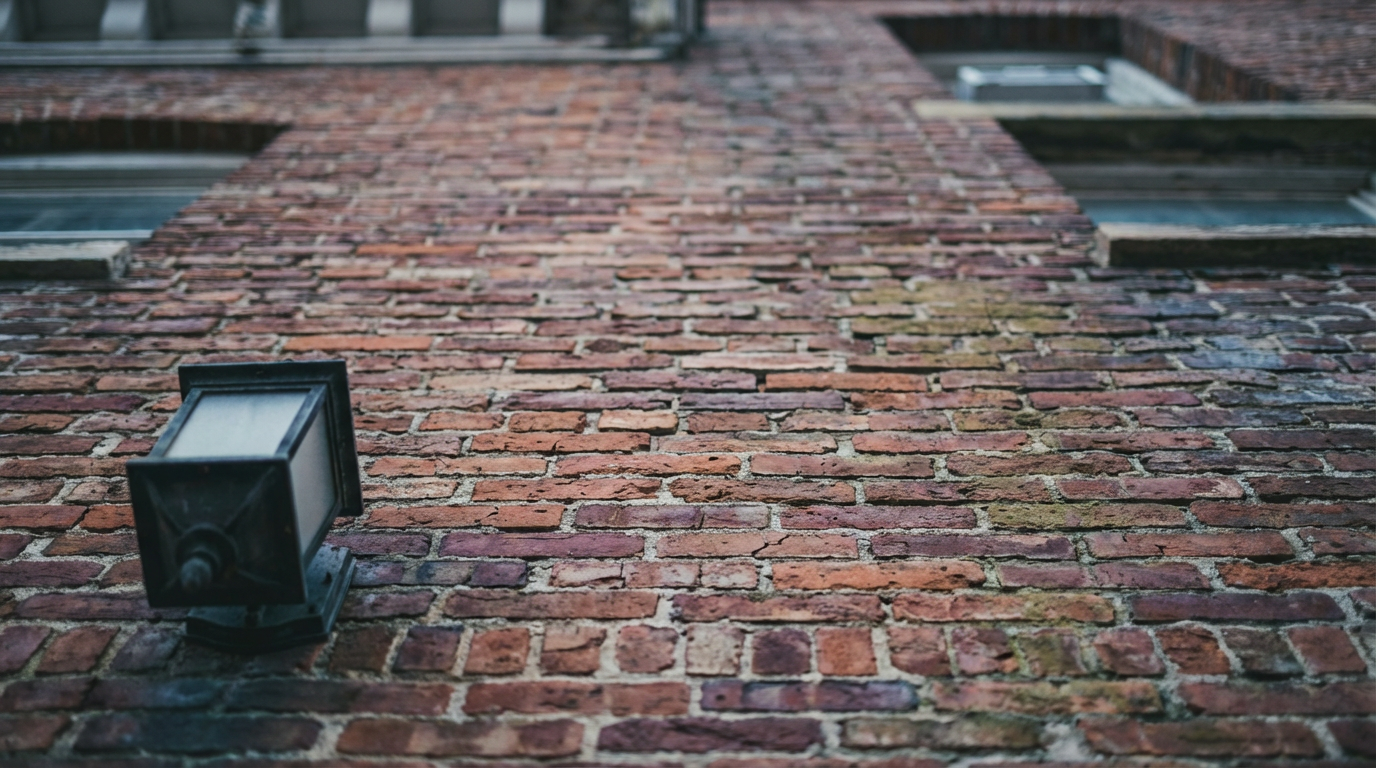
The historic building in Abilene, with its rich history and intricate design, faced a severe mold issue due to prolonged exposure to moisture. Mold can be detrimental not only to the structure itself but also to the health of those who visit or work within it. The primary challenge was to remove the mold without causing harm to the building’s delicate features.
Preserving the original materials was crucial, as many were no longer available or replicable. This required a thoughtful approach that balanced effective mold remediation with conservation techniques.
Initial Assessment
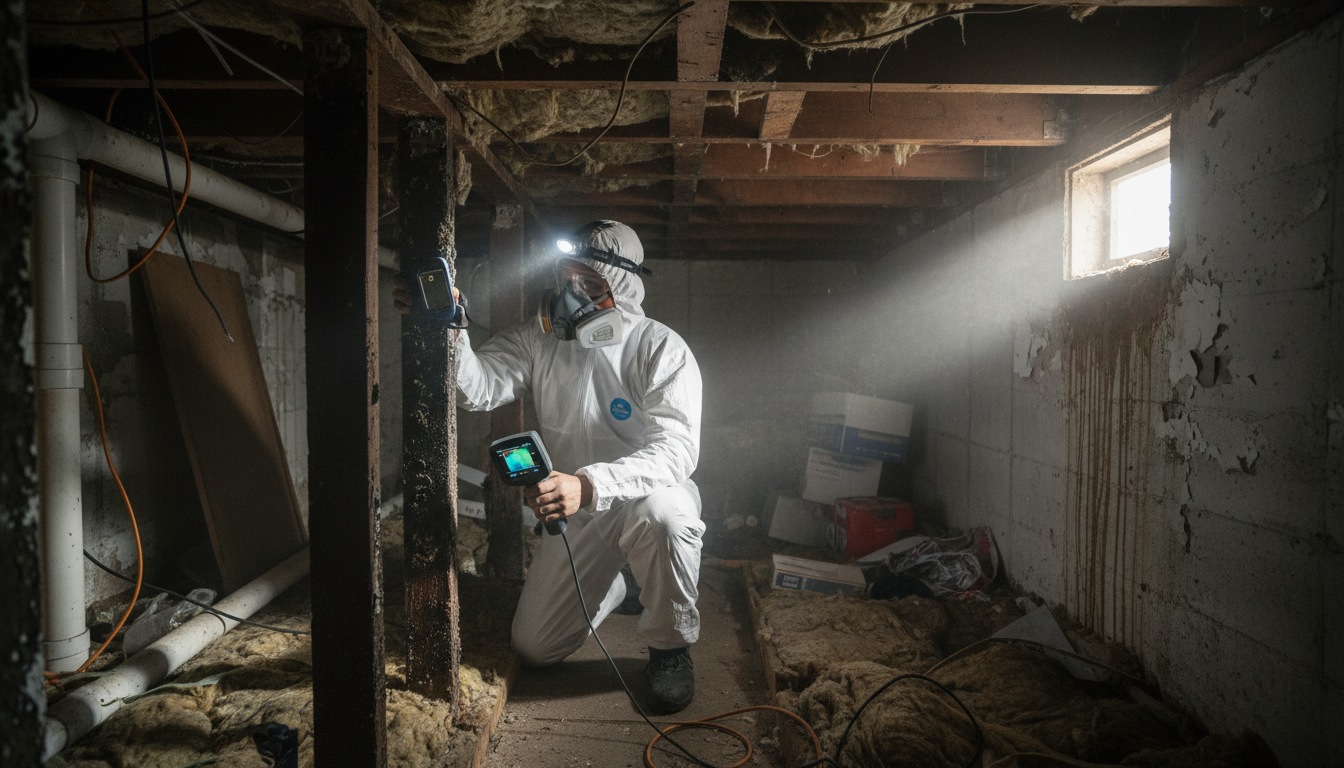
The first step in addressing the mold problem was a thorough assessment. Experts conducted a detailed inspection to determine the extent of the mold growth. This involved identifying the source of moisture, which was crucial in preventing future issues. The assessment revealed that poor ventilation and minor leaks were contributing factors.
Remediation Strategy
After the assessment, a comprehensive remediation plan was developed. The strategy included the following key steps:
- Source Elimination: Fixing leaks and improving ventilation to prevent further mold growth.
- Mold Removal: Carefully cleaning and removing mold using methods that would not damage the historic materials.
- Preservation Techniques: Applying treatments that protected the materials from future mold issues while maintaining their original appearance.
Specialized equipment and eco-friendly products were used to ensure the safety of both the building and the environment.
Implementation
The remediation team implemented the plan with precision, ensuring minimal disruption to the building’s daily operations. They worked in phases, focusing on one area at a time to maintain control over the process.
Outcomes and Benefits
The mold remediation project was a success, with the building restored to a safe and healthy state. Visitors and staff can now enjoy the historic beauty of the structure without health concerns. The project also ensured that the building’s value and legacy were preserved for future generations.
This case study demonstrates the importance of combining modern technology with traditional preservation methods to achieve outstanding results. The building's owners were particularly pleased with the approach, emphasizing that the project not only solved the immediate problem but also enhanced the building's longevity.
Lessons Learned
The project offered several valuable lessons for future endeavors:
- Early detection and intervention are crucial to prevent extensive damage.
- Collaboration between experts in mold remediation and historic preservation is essential.
- Customized solutions are often necessary to address the unique needs of historic buildings.

Conclusion
The successful mold remediation of the historic Abilene building serves as an exemplary model for similar projects. By carefully balancing the need for mold removal with the preservation of historical integrity, the team ensured that this architectural gem remains a part of Abilene's landscape for years to come. This case study highlights the effectiveness of a well-planned and executed remediation strategy, offering insights for future preservation efforts.