
5 Essential Tips for Safe and Effective Summer Demolition Projects
Plan Thoroughly Before Starting
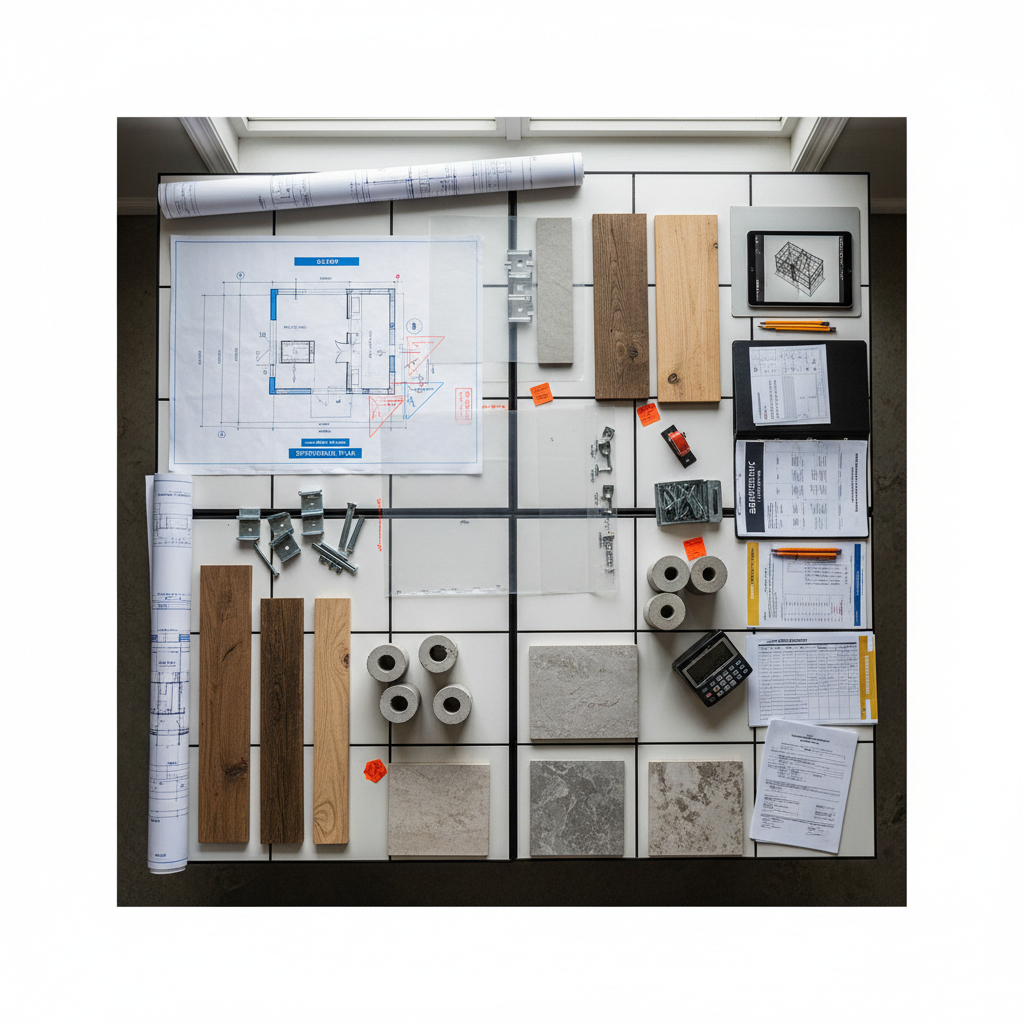
Before diving into a summer demolition project, it's crucial to have a detailed plan in place. Outline the scope of the work, identify potential hazards, and establish a timeline. This preparatory phase ensures that everyone involved knows what to expect, minimizing unexpected complications.
Assess the site thoroughly to understand any unique challenges it may present. Consider consulting with professionals if the demolition involves complex structures or hazardous materials.
Prioritize Safety Measures
Equip Your Team with Proper Gear
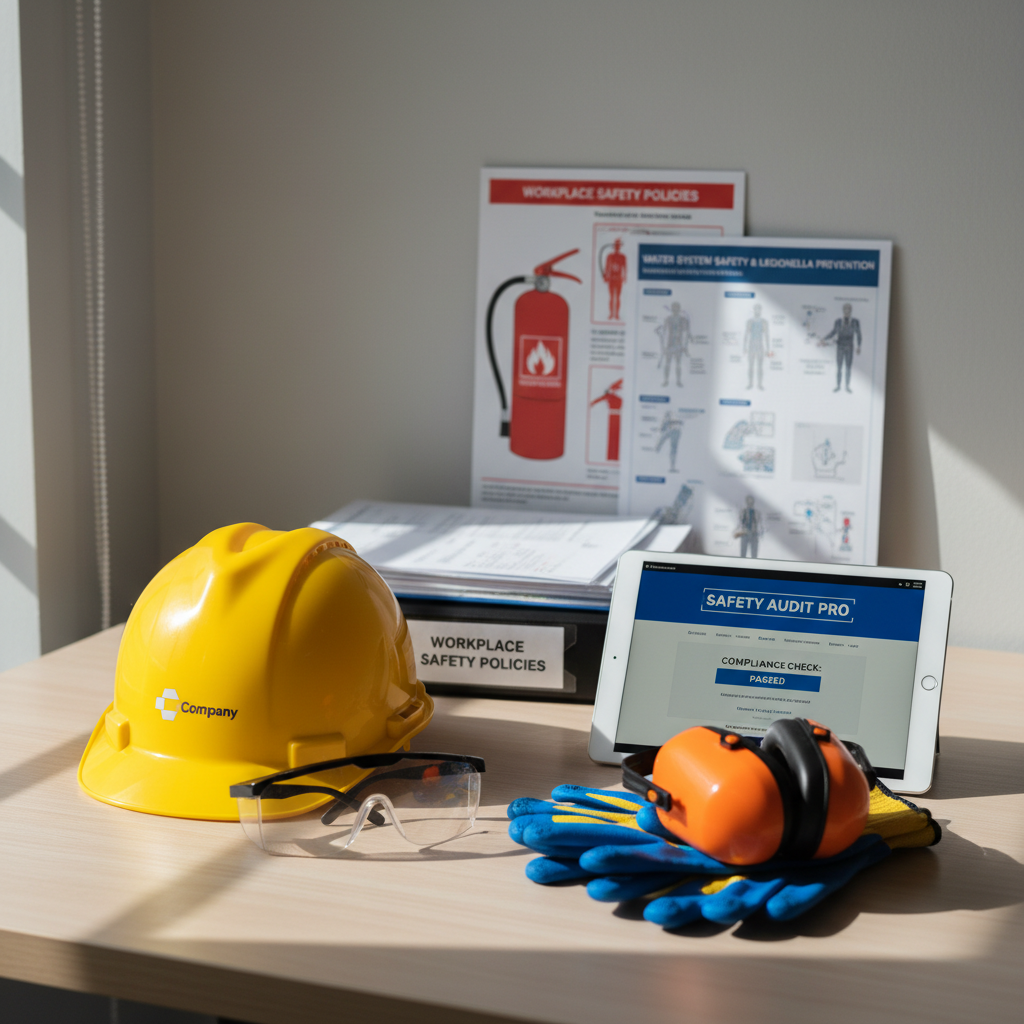
Safety should always be the top priority in any demolition project. Ensure that all team members have the appropriate personal protective equipment (PPE), such as helmets, gloves, goggles, and sturdy boots. Regular safety briefings can help reinforce the importance of using this gear correctly.
Implement Safety Protocols
Establish clear safety protocols to prevent accidents. This includes setting up barriers and warning signs to keep unauthorized personnel away from the site. Regular safety inspections and drills can further enhance the team's readiness to handle emergencies.
Use the Right Tools and Equipment
Using the correct tools and equipment is vital for the efficiency and safety of your demolition project. Ensure that all machinery is well-maintained and operators are adequately trained. The right equipment not only speeds up the process but also reduces the risk of accidents.
Consider renting specialized tools if your project involves unique challenges. This can be more cost-effective than purchasing new equipment for a one-time use.
Manage Waste Responsibly
Sort and Recycle Materials
Demolition generates a significant amount of waste. Implement a waste management plan that focuses on sorting and recycling materials. This not only reduces environmental impact but can also lower disposal costs.
Dispose of Hazardous Materials
Proper disposal of hazardous materials, such as asbestos or lead, is essential. Hire professionals to handle these substances to ensure compliance with environmental regulations and protect the health of your team and the community.

Communicate Effectively
Effective communication is key to a successful demolition project. Maintain open lines of communication with your team, stakeholders, and local authorities. Regular updates can help address any concerns promptly and keep the project on track.
Consider holding daily briefings to discuss progress and any issues that arise. This practice fosters a collaborative environment and ensures everyone is aligned with the project goals.